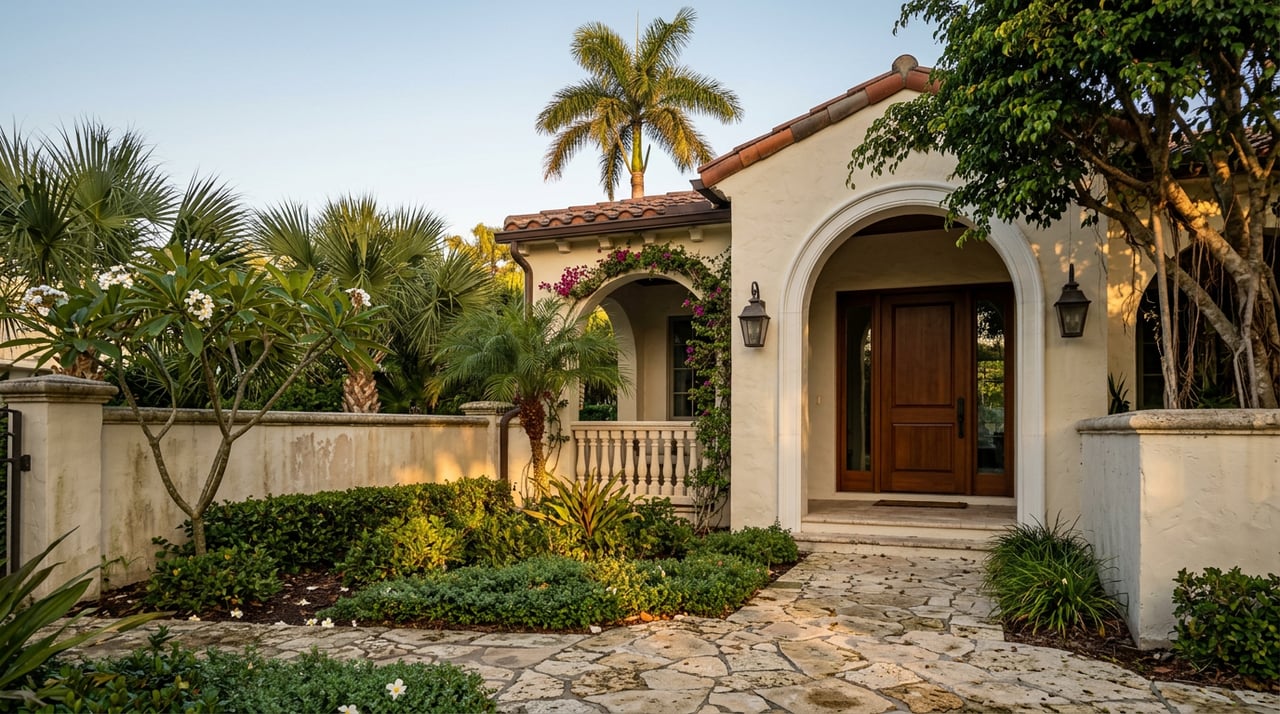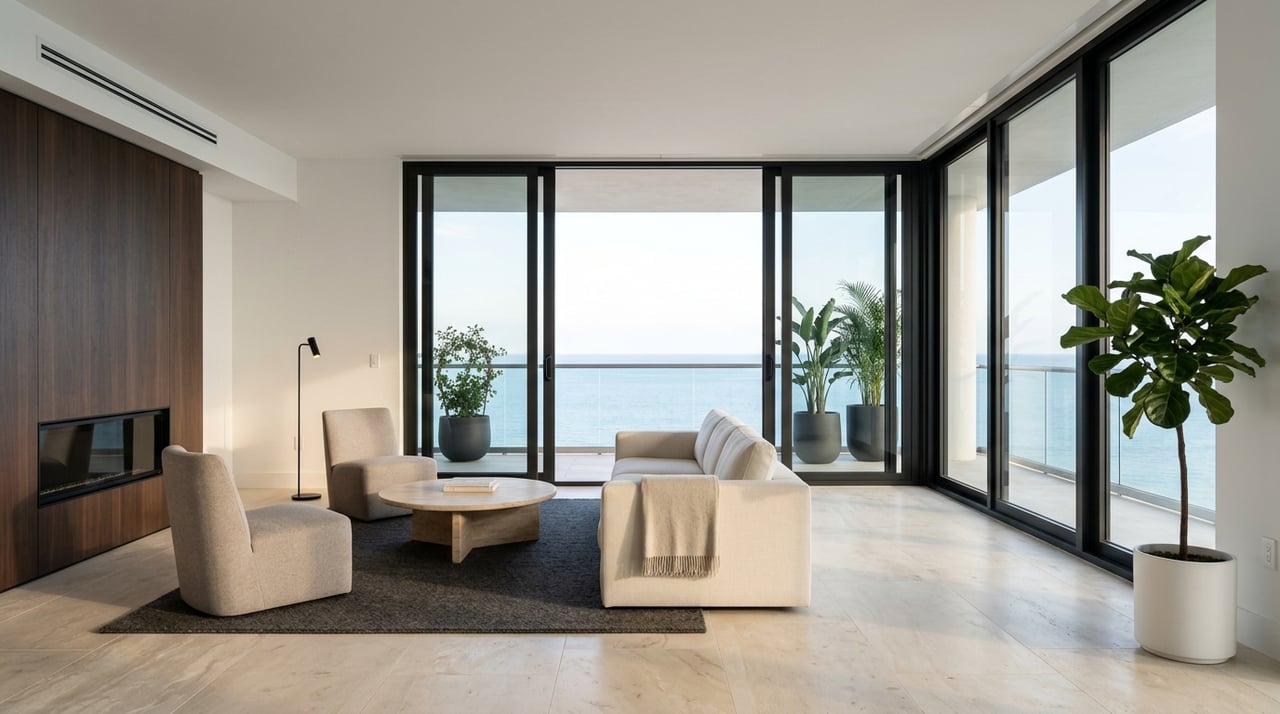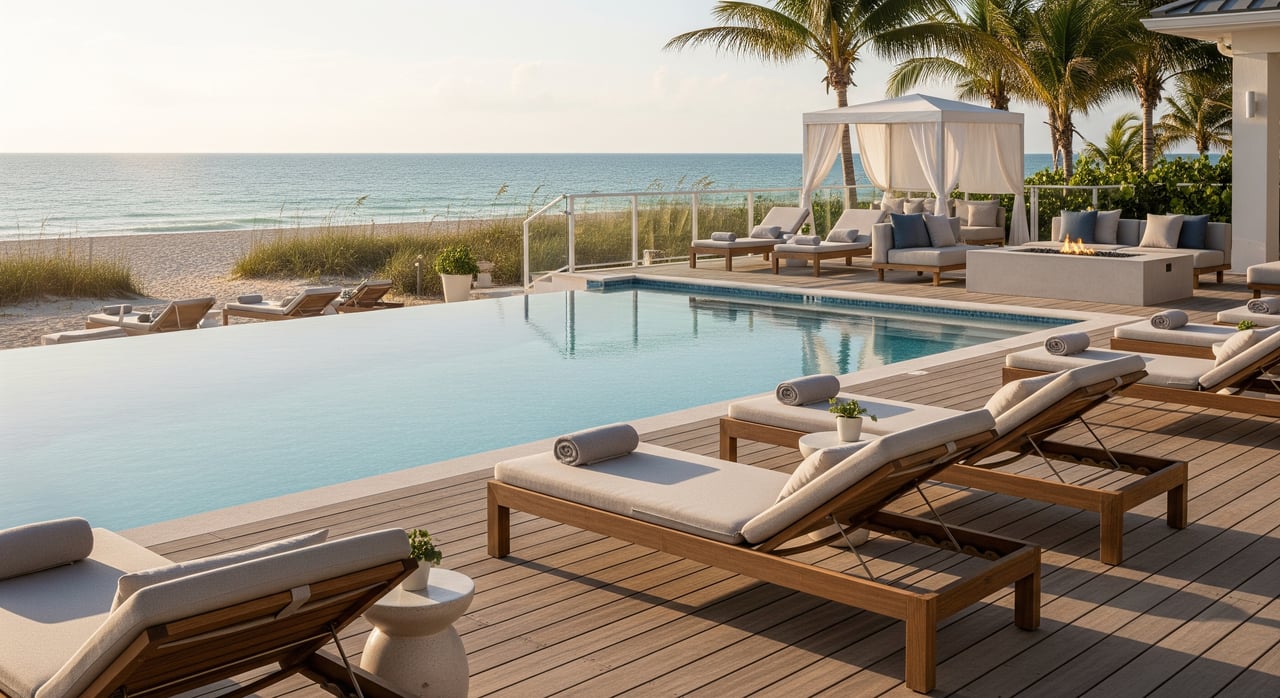
If you picture stepping from your lobby to soft Gulf sand, you are not alone. Beachfront living in The Moorings is all about easy access, steady sea breezes, and time well spent. The right amenities can elevate that lifestyle, but they also impact your budget, insurance, and long-term plans. In this guide, you will learn what to expect in Moorings beachfront and bayfront buildings, how to match features to your goals, and what to verify before you buy. Let’s dive in.
The Moorings at a glance
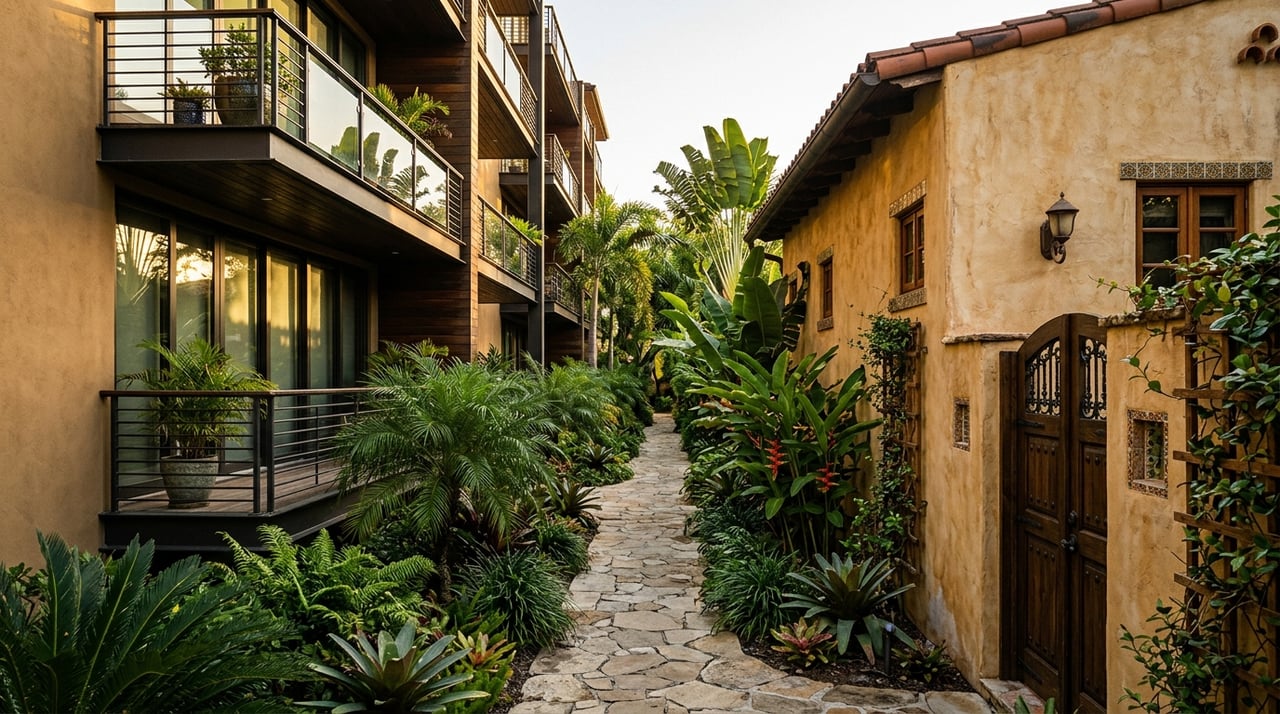
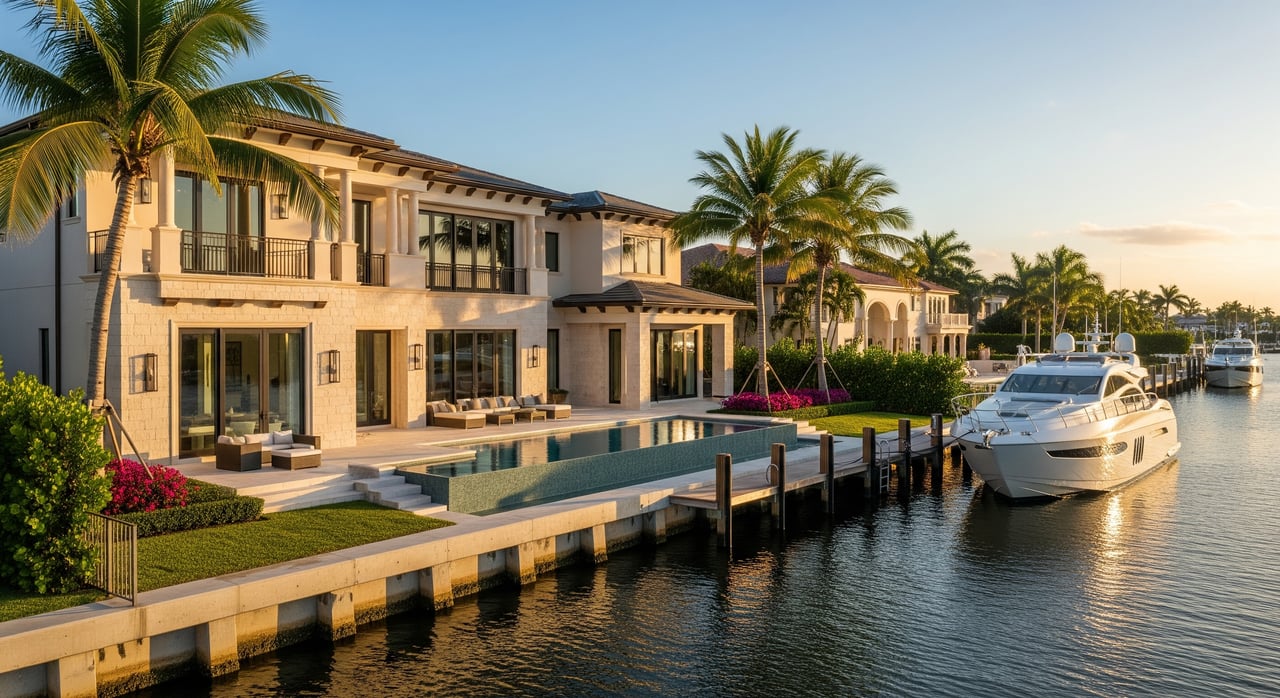
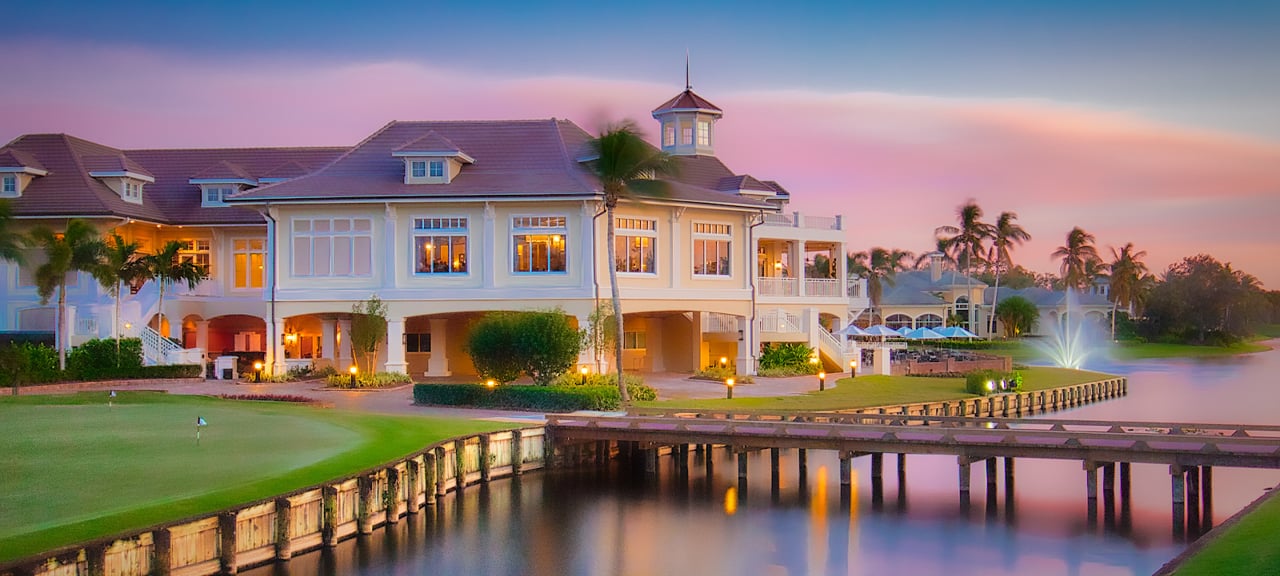
The Moorings is a long-established coastal neighborhood in Naples, set along the Gulf of Mexico and Moorings Bay in Collier County. You will find a mix of low-rise and mid-rise condo buildings, with construction that ranges from mid-20th century through the 1980s, plus newer or renovated options. Some buildings sit directly on the beach, while others line Moorings Bay with boating access toward Naples Bay and the Gulf.
Coastal living here comes with Florida building codes, wind-load standards, and local Collier County rules. Because of hurricanes, storm surge, flooding, and salt-air exposure, maintenance and insurance are key parts of ownership. Associations and owners plan for these realities through reserves, scheduled upkeep, and specific protection measures.
Beachfront essentials to compare
Beachfront buildings in The Moorings share a few core amenities, but the details vary by association. Focus on how each item affects daily convenience, privacy, and ongoing costs.
Direct beach access
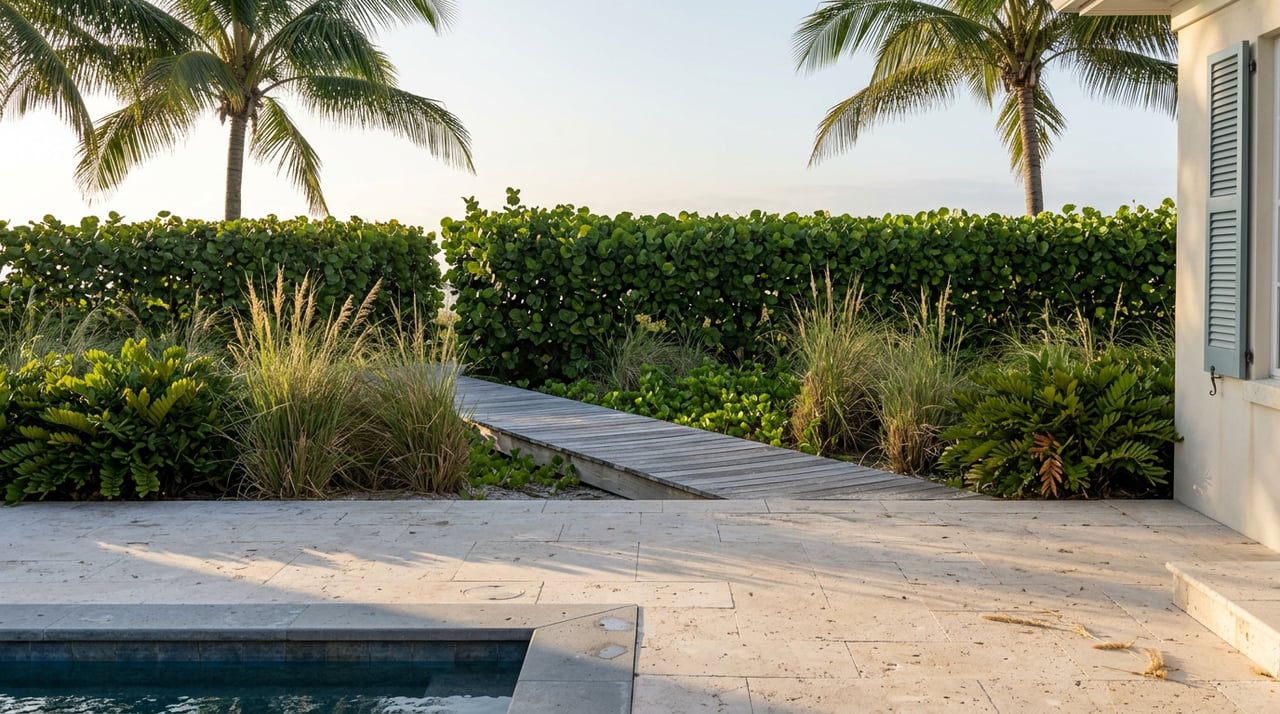
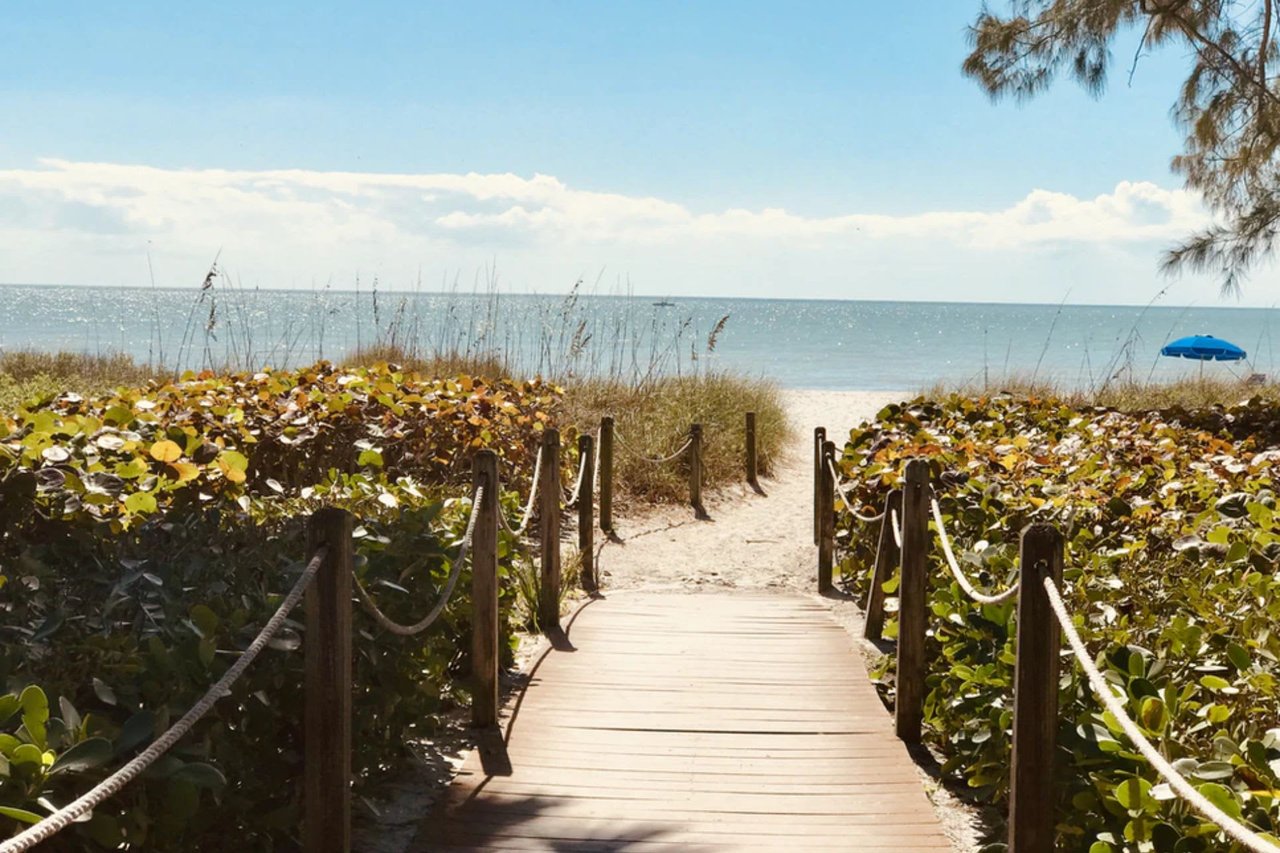
Some buildings offer private or association-controlled walkovers that lead right to the sand. Others share nearby public access points. The level of privacy and crowding can differ by property design and beach frontage. Ask the association for documents that describe any deeded or exclusive beach access.
Beachfront pools and decks
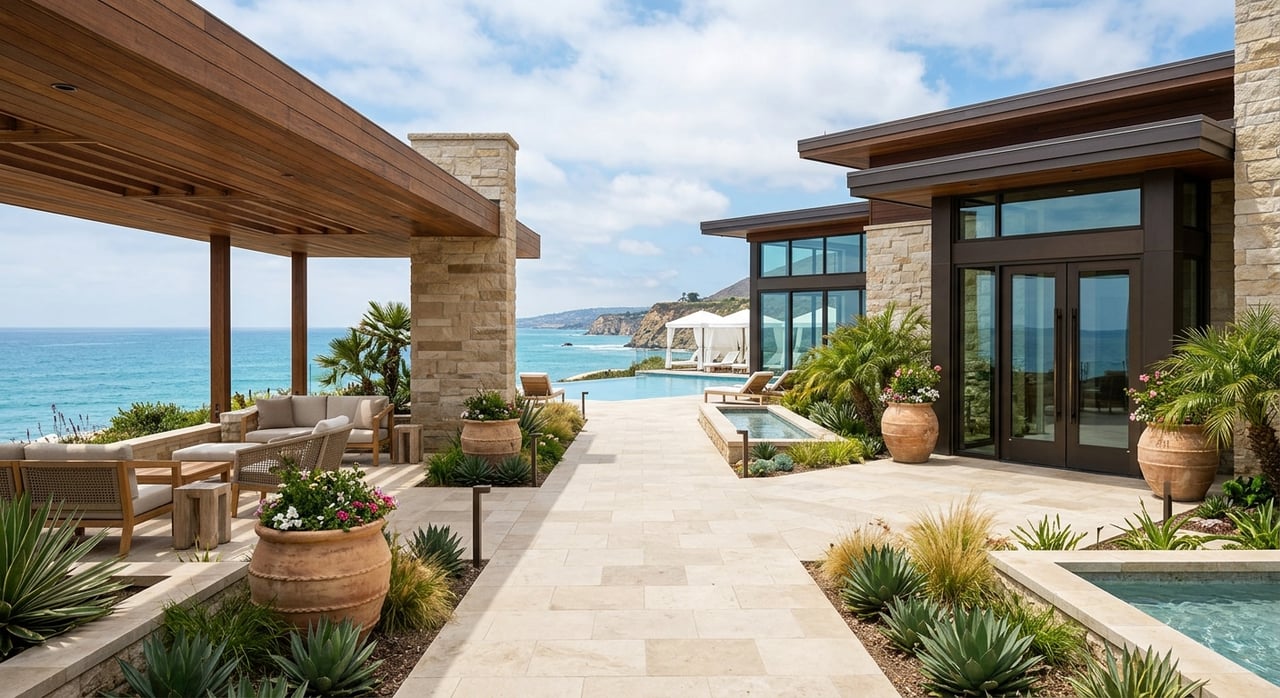
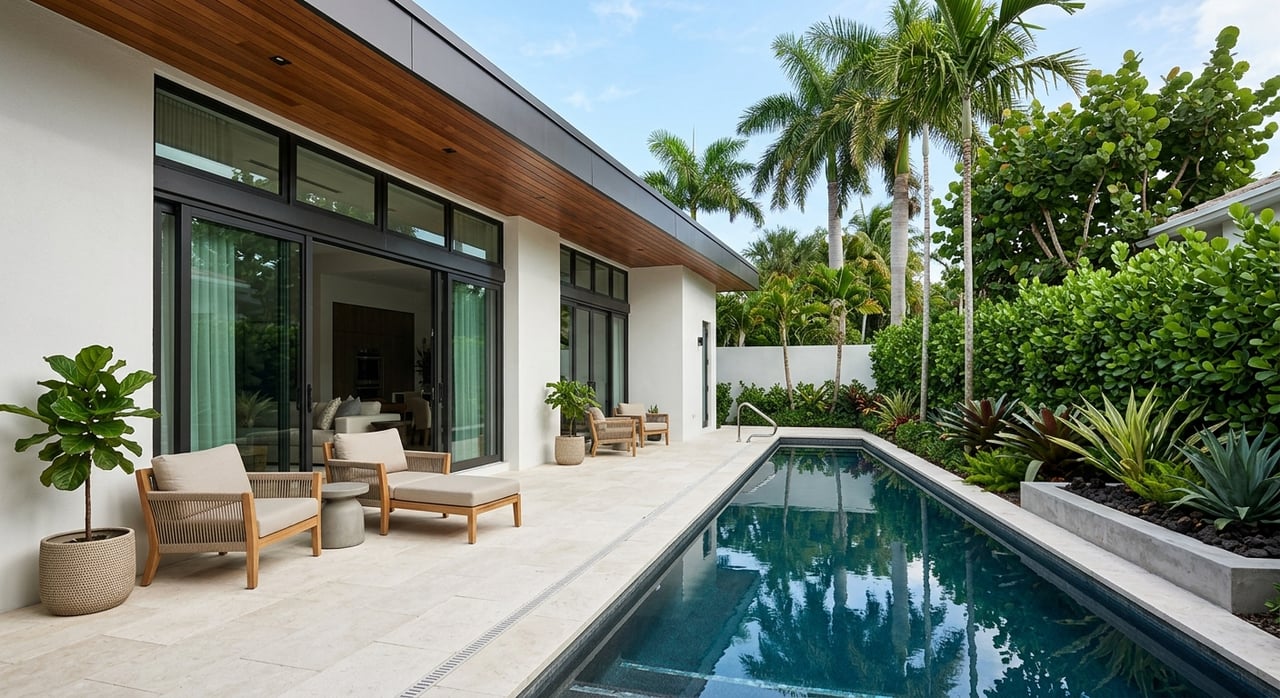
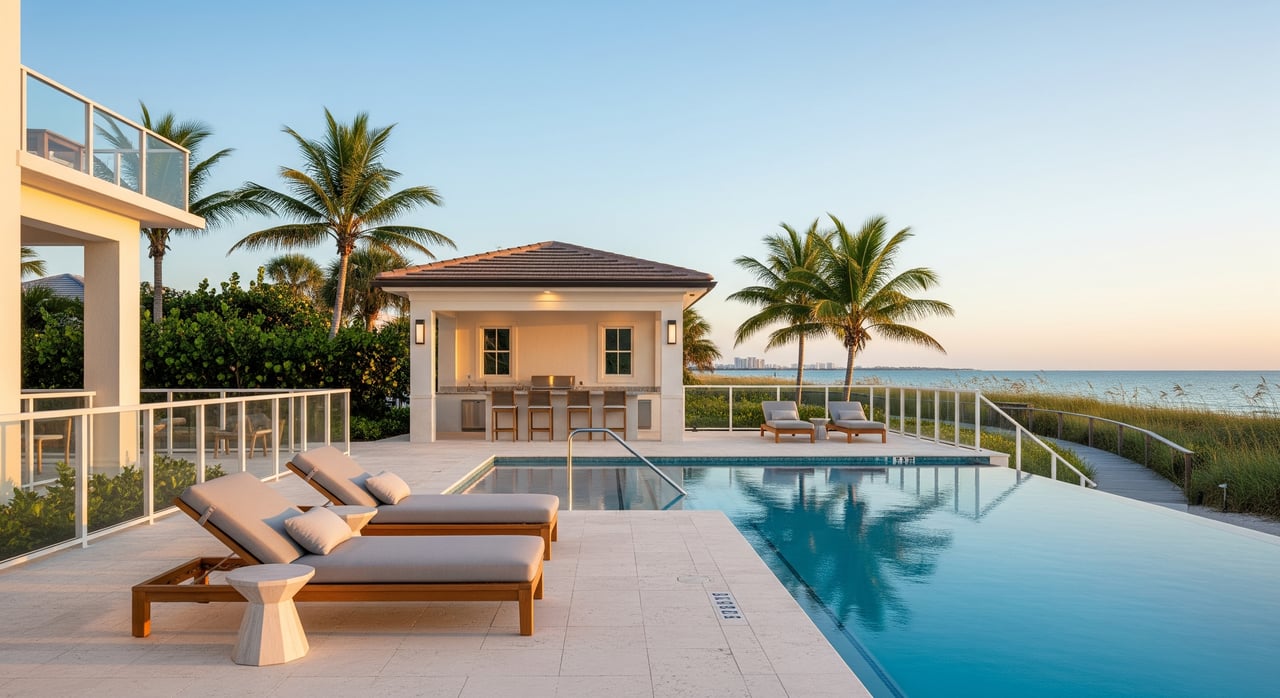
Oceanfront pools are common and are often heated or heated seasonally. Expect poolside seating and outdoor rinse stations. The size of the deck, sun exposure, and wind screening can shape how often you use the space during breezy months.
Storage for beach and gear
Many associations provide lockers for beach gear, limited bike storage, and sometimes kayak racks. Storage is especially valuable if you are a seasonal owner who wants to leave items on-site between visits. Confirm locker dimensions and any waitlist.
Dune care and beach upkeep
Associations may maintain walkovers and related access structures. Dune restoration and vegetation are often managed in coordination with county or state agencies. Ask who maintains what and how costs are funded through the budget or reserves.
Bayfront perks for boaters
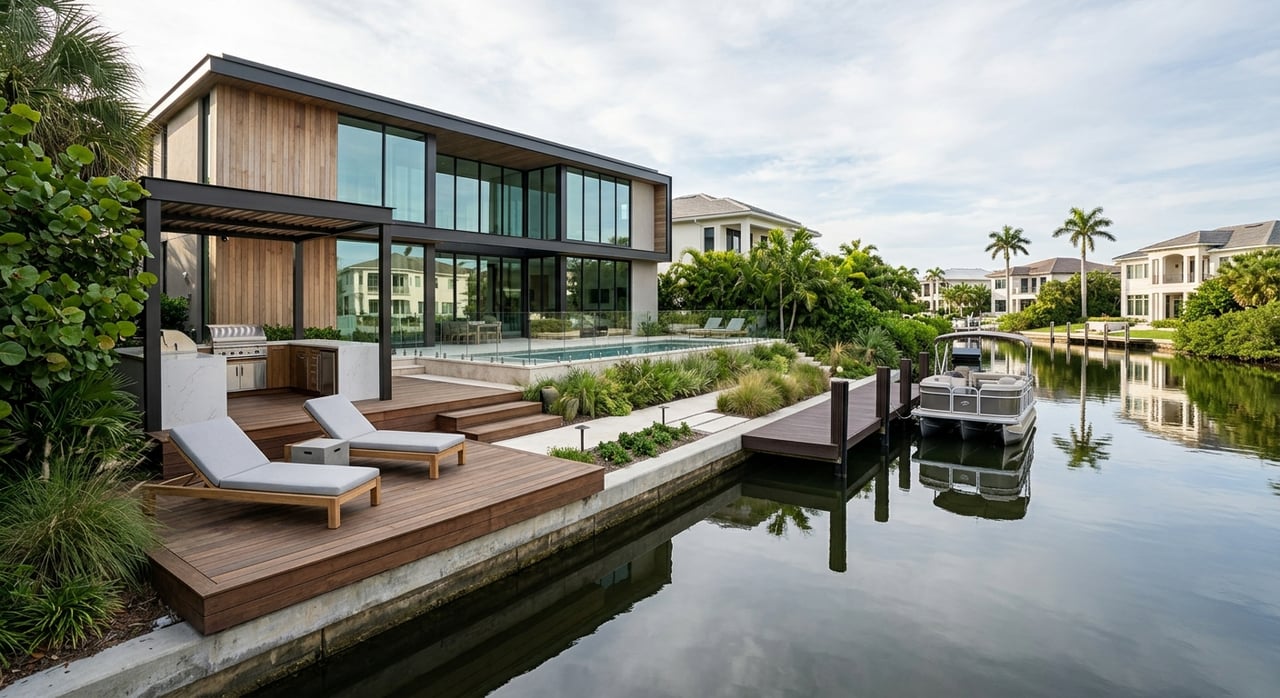
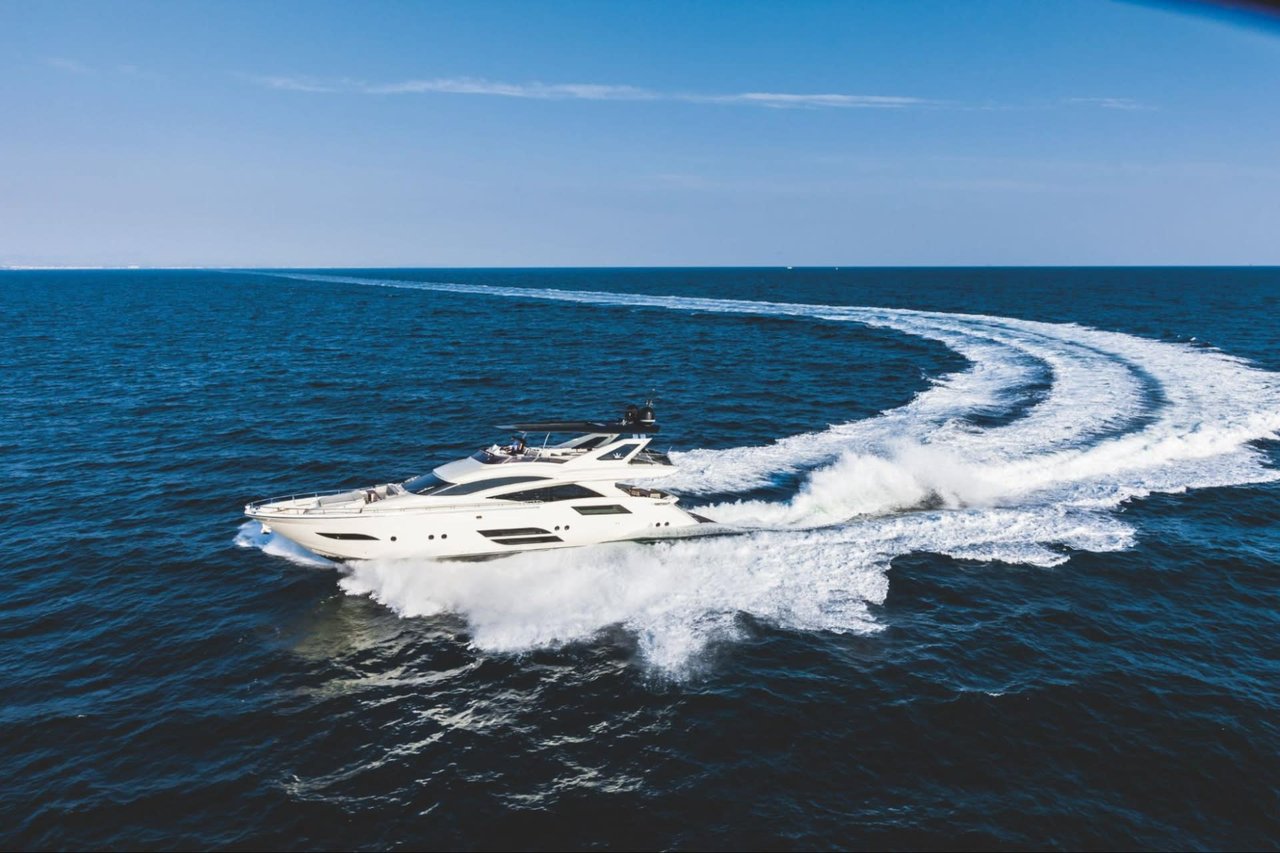
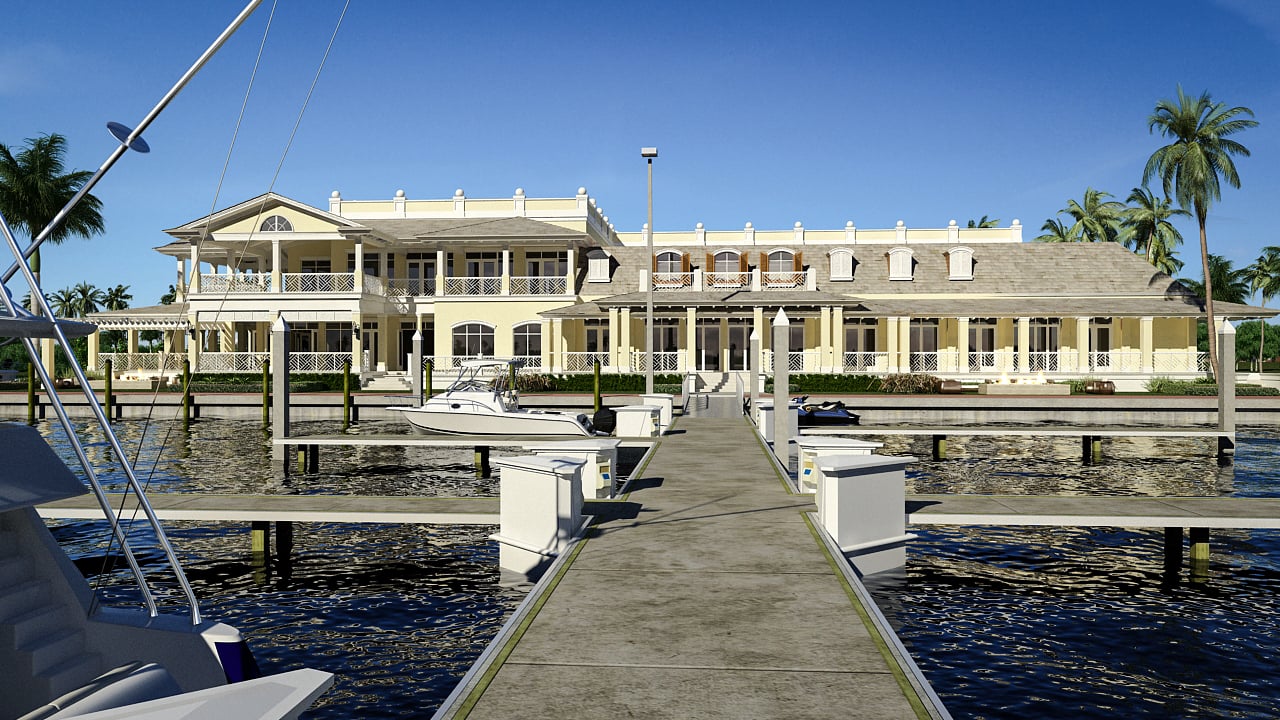
If you love time on the water, bayfront buildings in The Moorings offer features that bring the boating lifestyle close to home.
Boat slips and docks
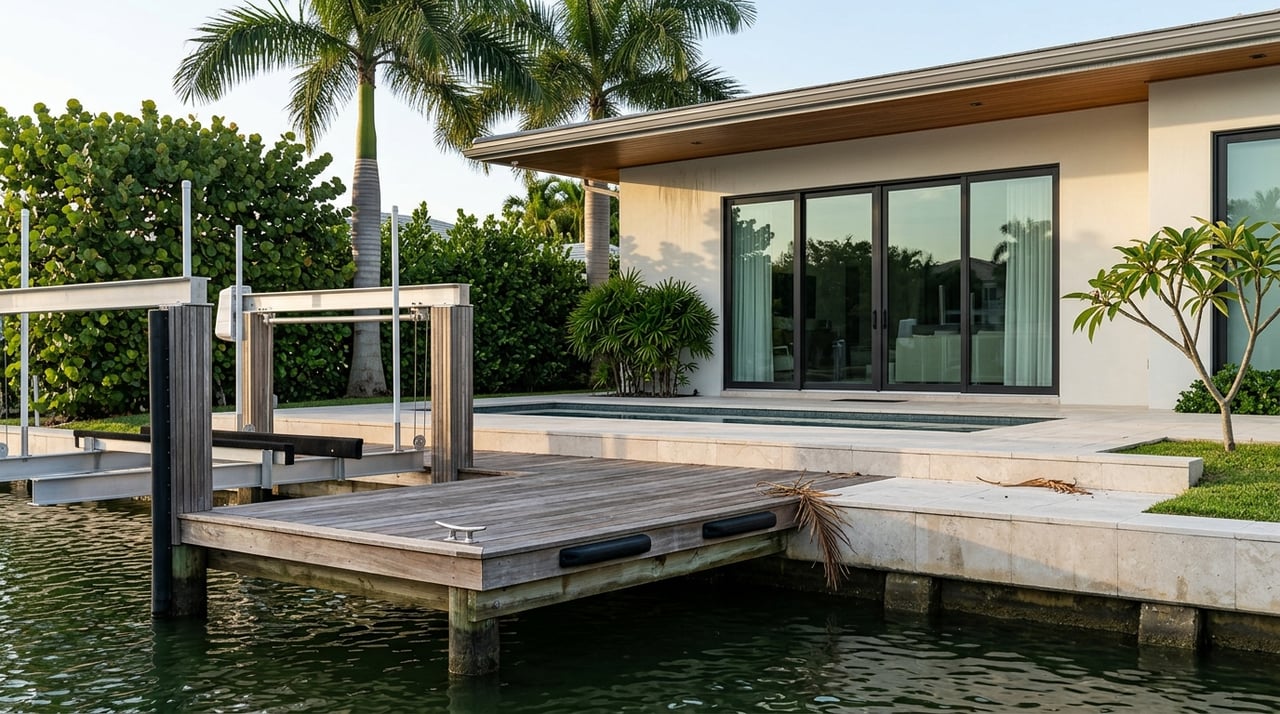
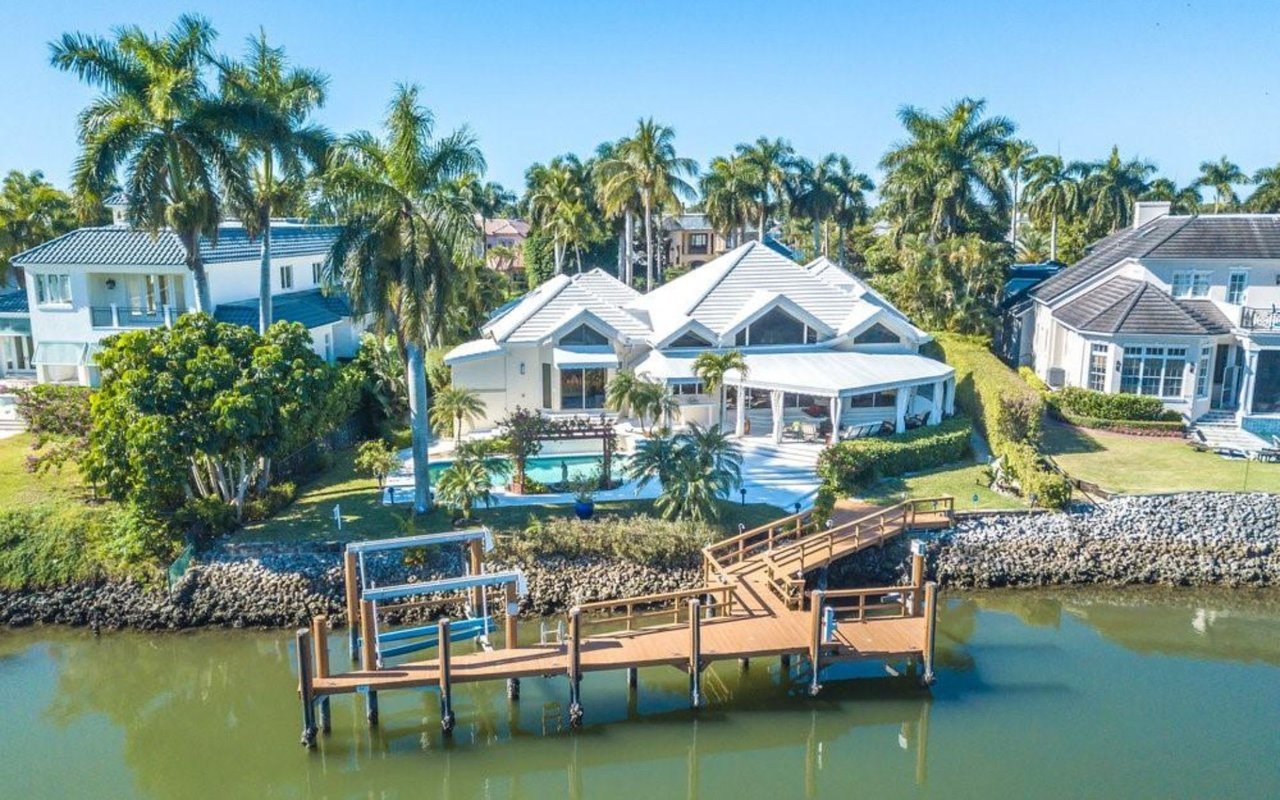
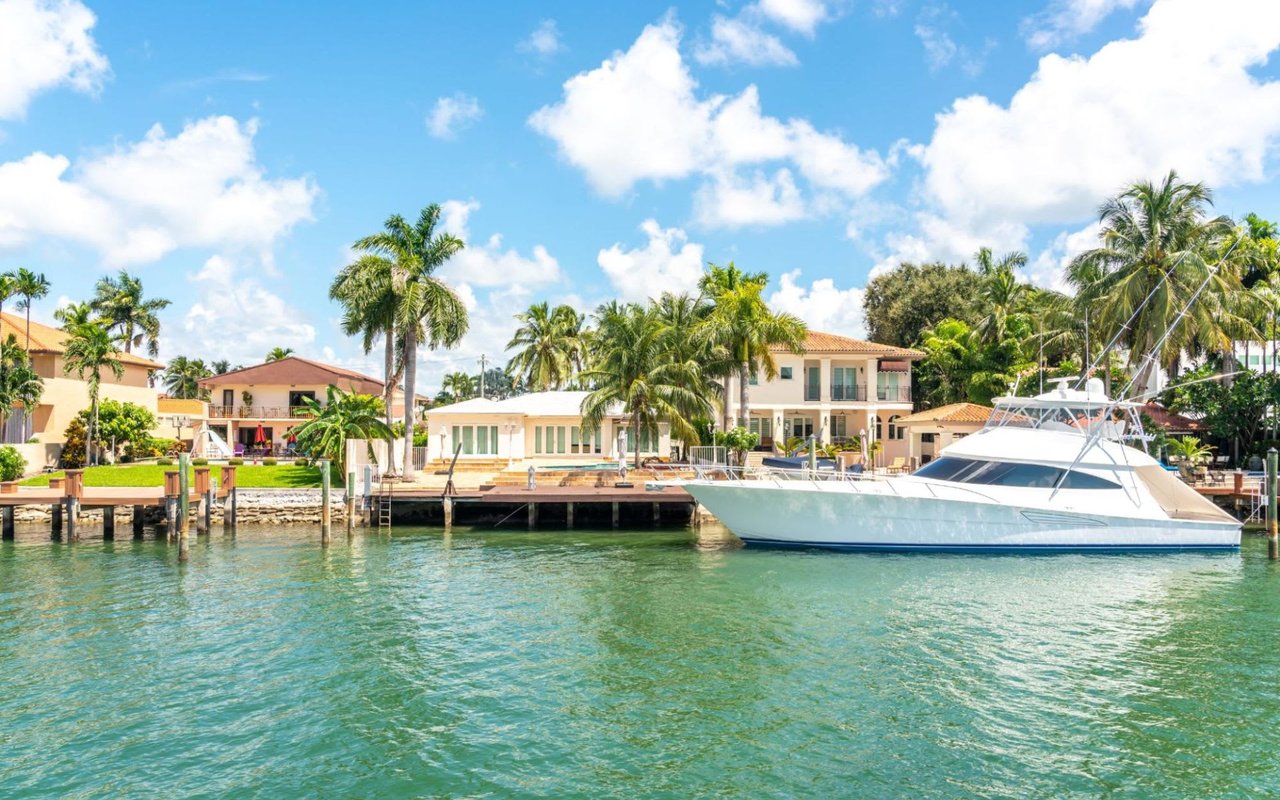
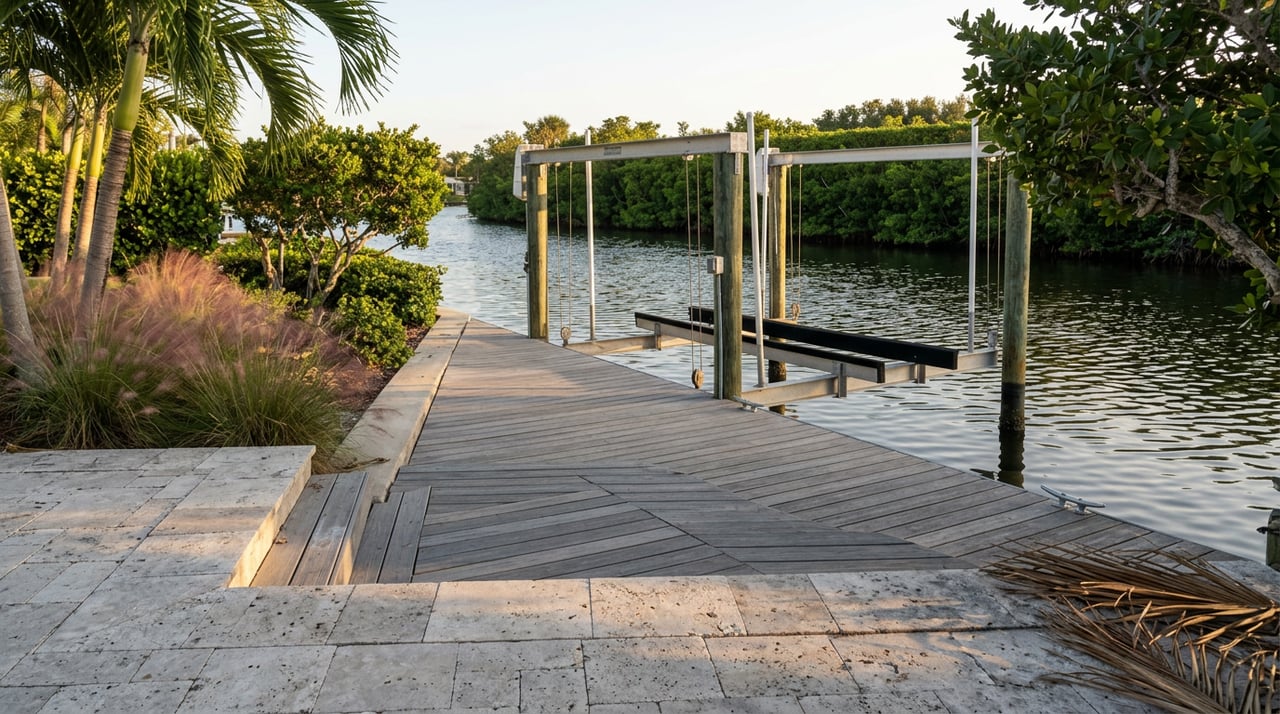
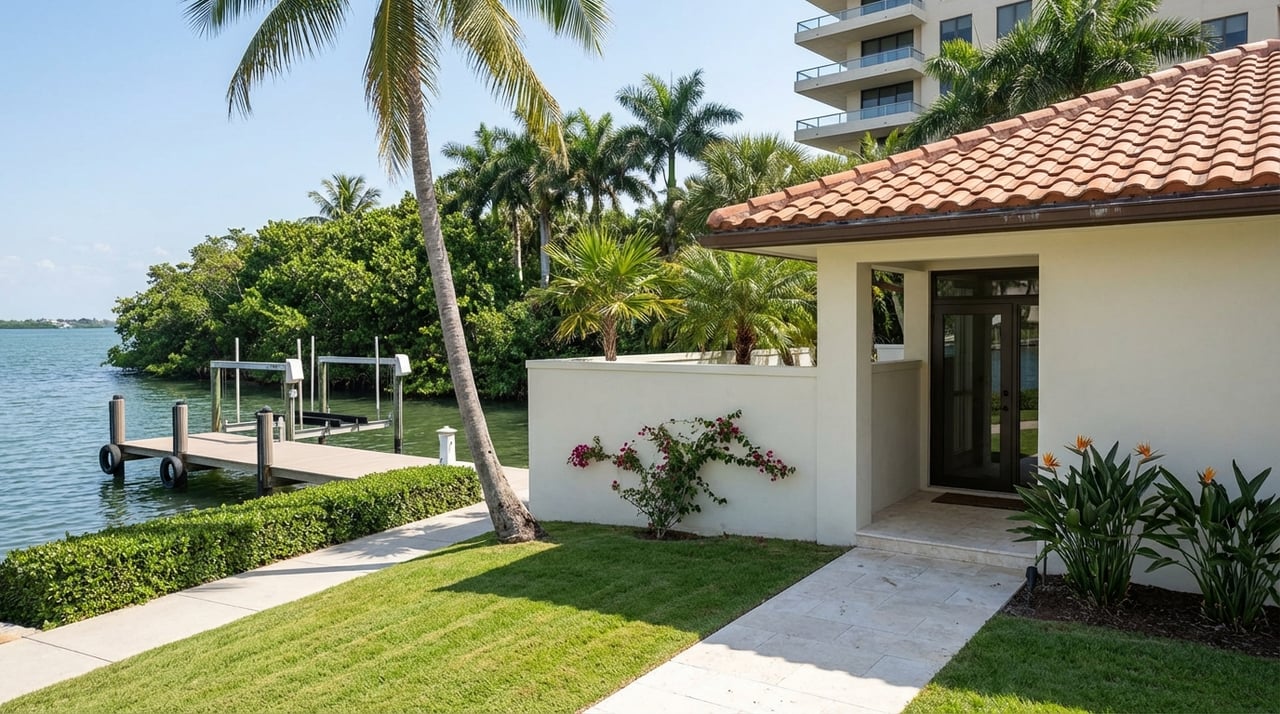
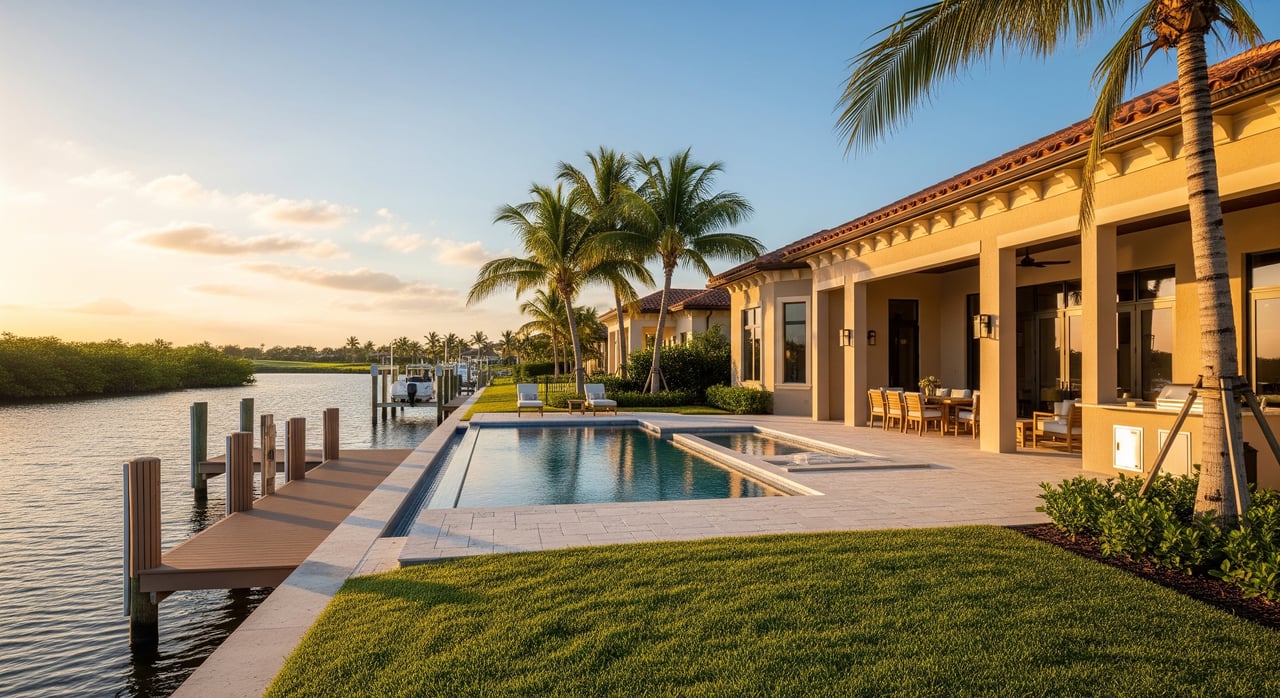
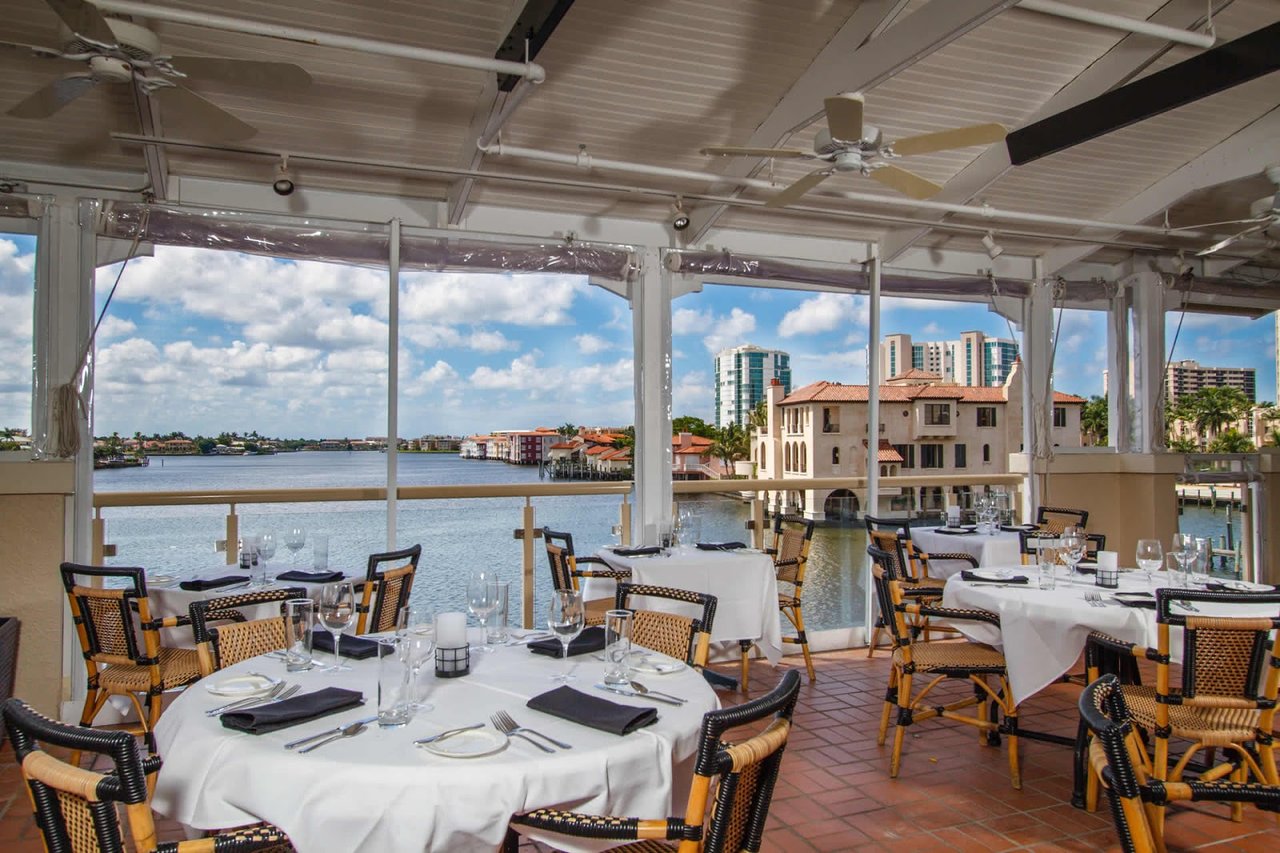
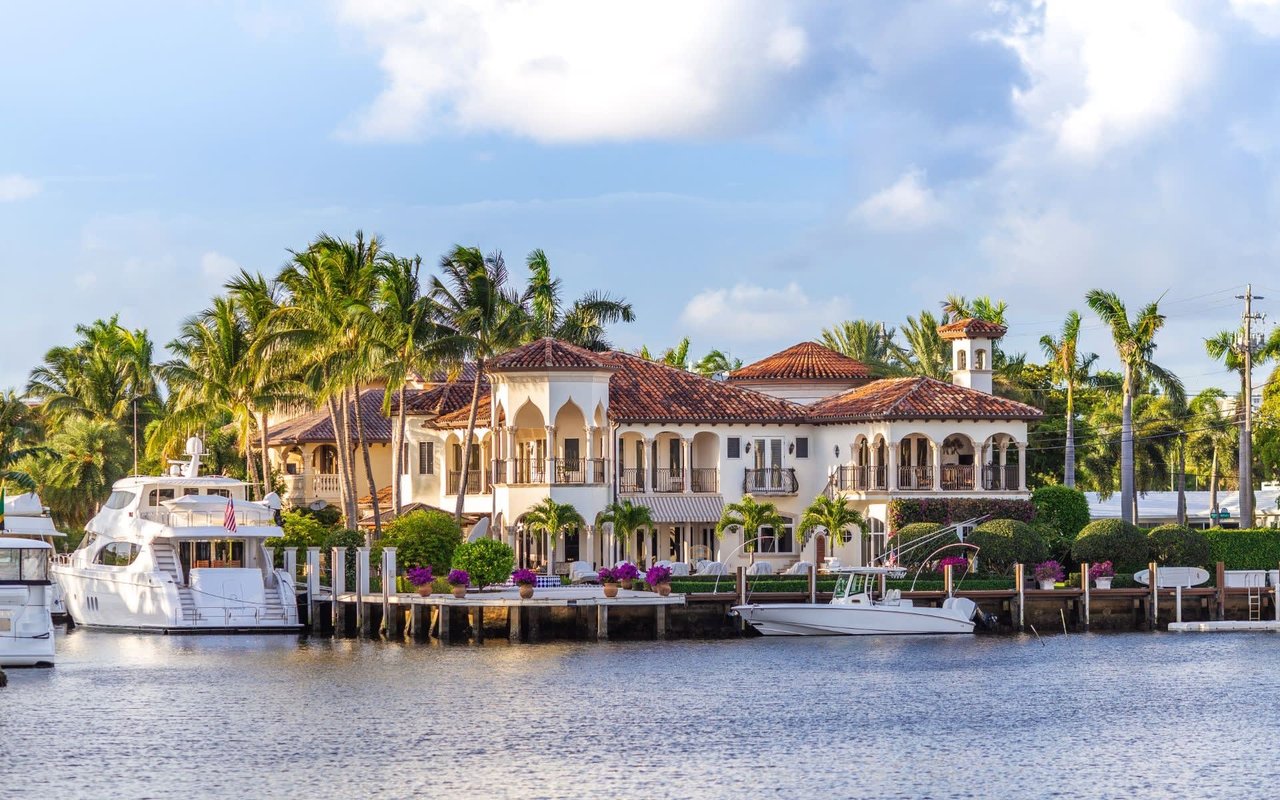
Bayfront condos often include docks with slips that may be deeded, leased, or assigned by the association. Some buildings keep a waitlist. Slip size, depth, and permitting determine what vessels can be accommodated. Moorings Bay provides sheltered water with access to Naples Bay and the Gulf, which is a strong draw for boaters. Verify transfer rules for slips with any purchase.
Kayaks and small craft
You may find community storage for kayaks and paddleboards or small-craft launch areas. These are convenient for quick outings without managing a full-size boat.
Marina options
Certain buildings sit next to private marinas or maintain relationships with nearby facilities for transient docking, fuel, or service. If you have a larger vessel or want flexibility during high season, ask about marina options.
Indoor comforts and services
Amenities inside the building can simplify seasonal living, especially when you come and go throughout the year.
On-site management and staff
Larger associations may have on-site management, concierge services, or a resident manager. Smaller buildings might outsource property management. On-site staff can make a big difference for deliveries, vendor access, and quick maintenance when you are away.
Fitness and wellness spaces
Cardio and weight rooms are common, with some buildings offering small studio spaces for yoga or stretching. The quality and size vary based on building age and recent renovations. If fitness is a priority, compare equipment, ventilation, and hours.
Social rooms and lounges
Club rooms, libraries, and lounges host seasonal events and owner gatherings. A well-run social calendar helps you meet neighbors and enjoy a sense of community during peak months.
Parking and access
Expect assigned owner parking and some level of guest parking. Covered spaces or garages are a premium near the coast. Secure entry and elevators are standard in mid-rise buildings. If you have mobility needs, confirm elevator service and emergency procedures.
Laundry and storage
Newer or renovated units often include in-unit laundry. Older buildings may offer shared laundry rooms. Storage cages or lockers are highly sought after by second-home buyers for luggage, golf clubs, and bikes.
Outdoor entertaining
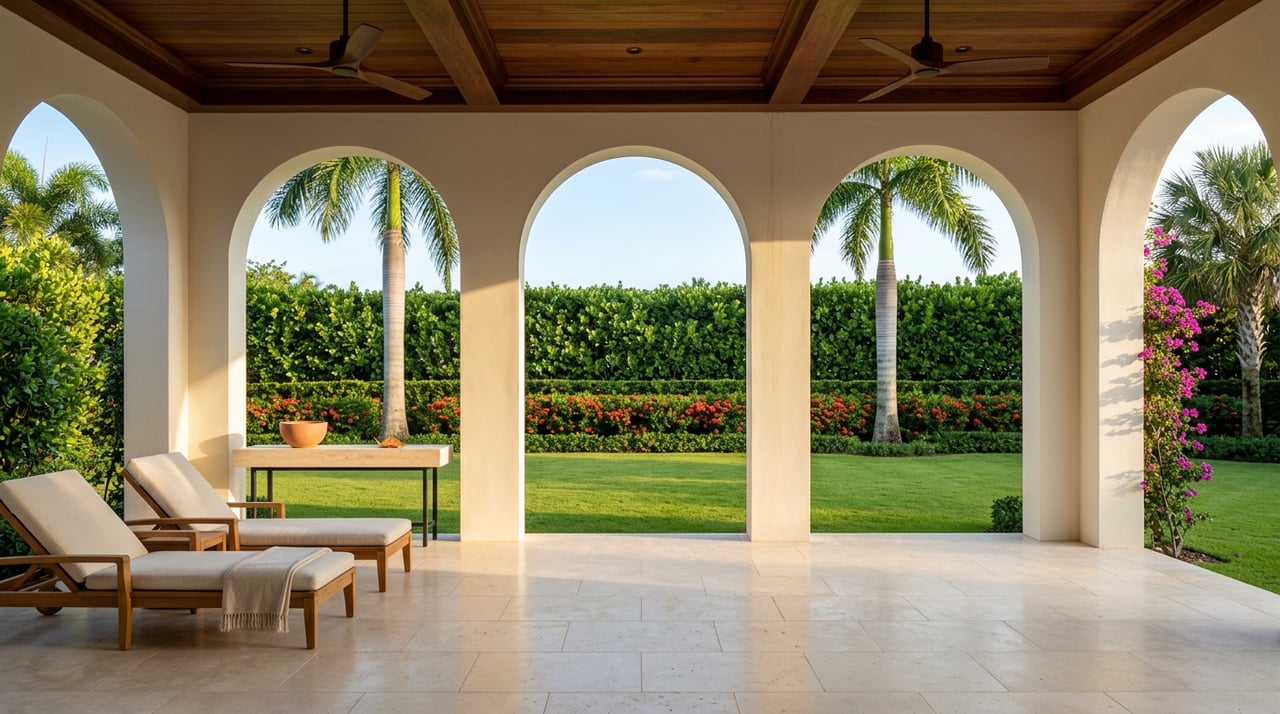
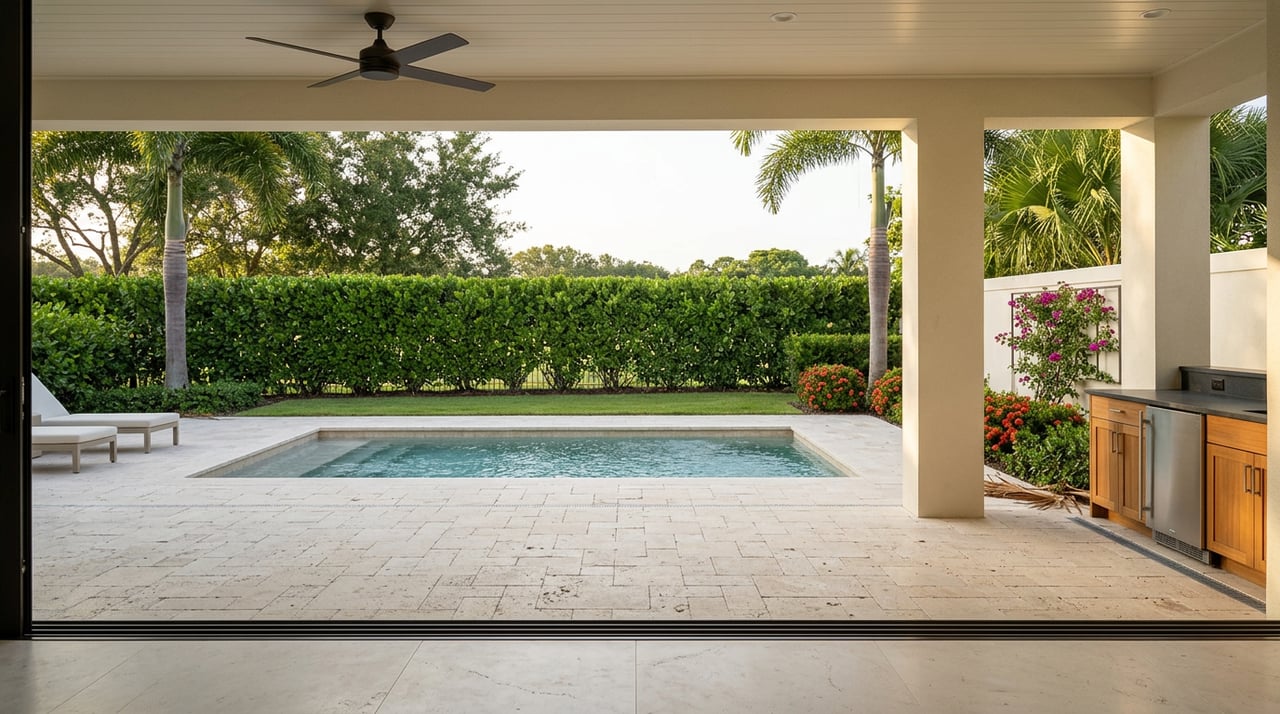
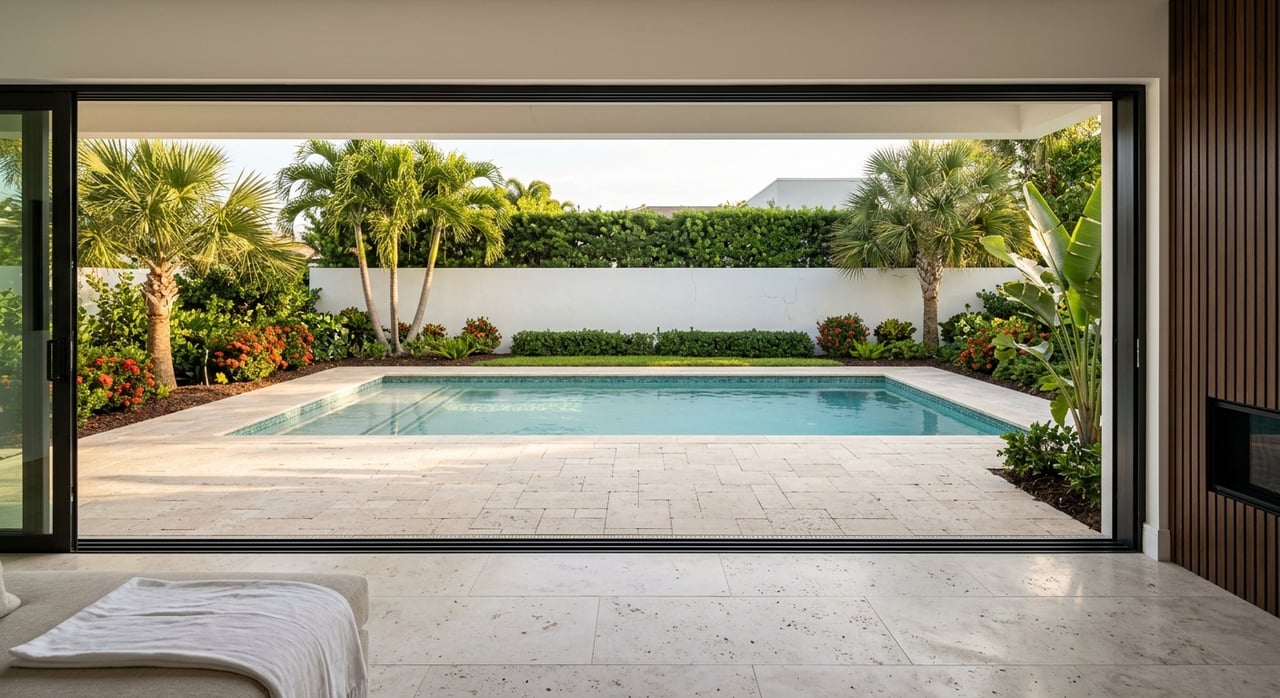
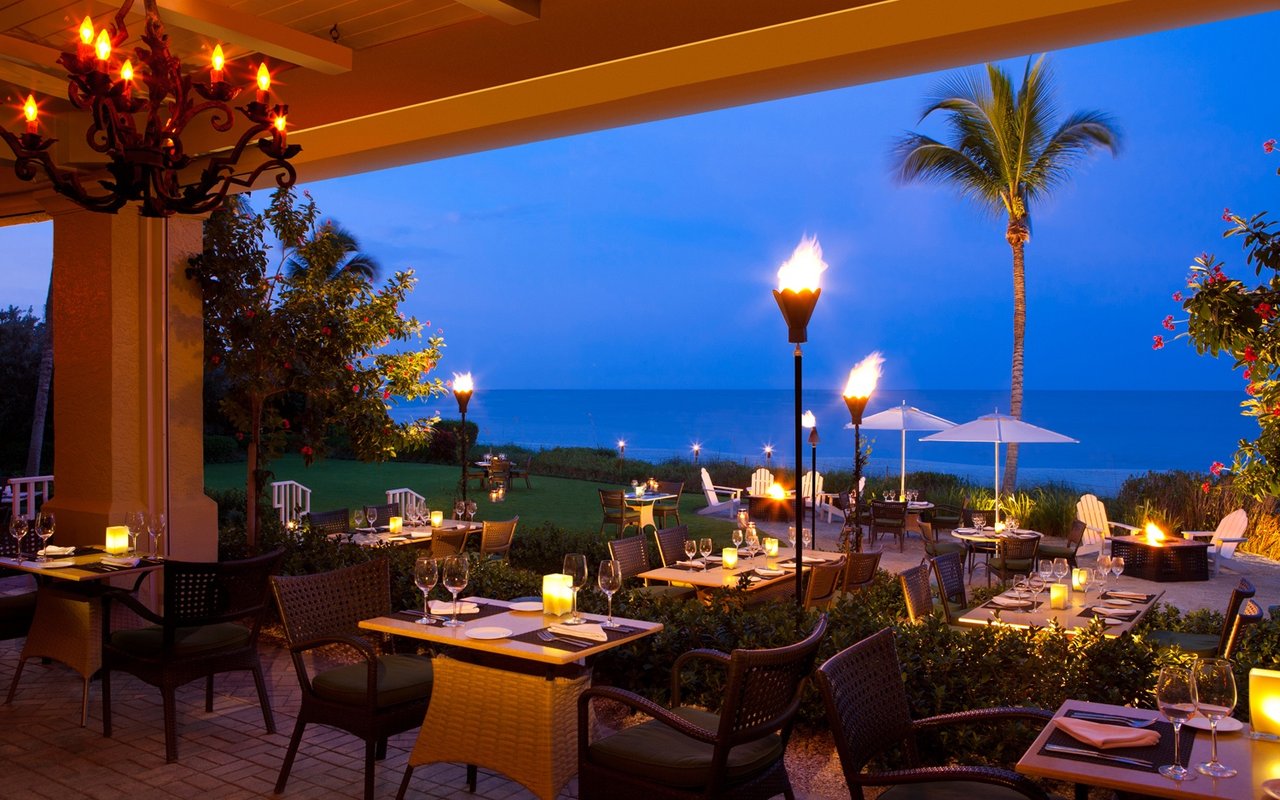
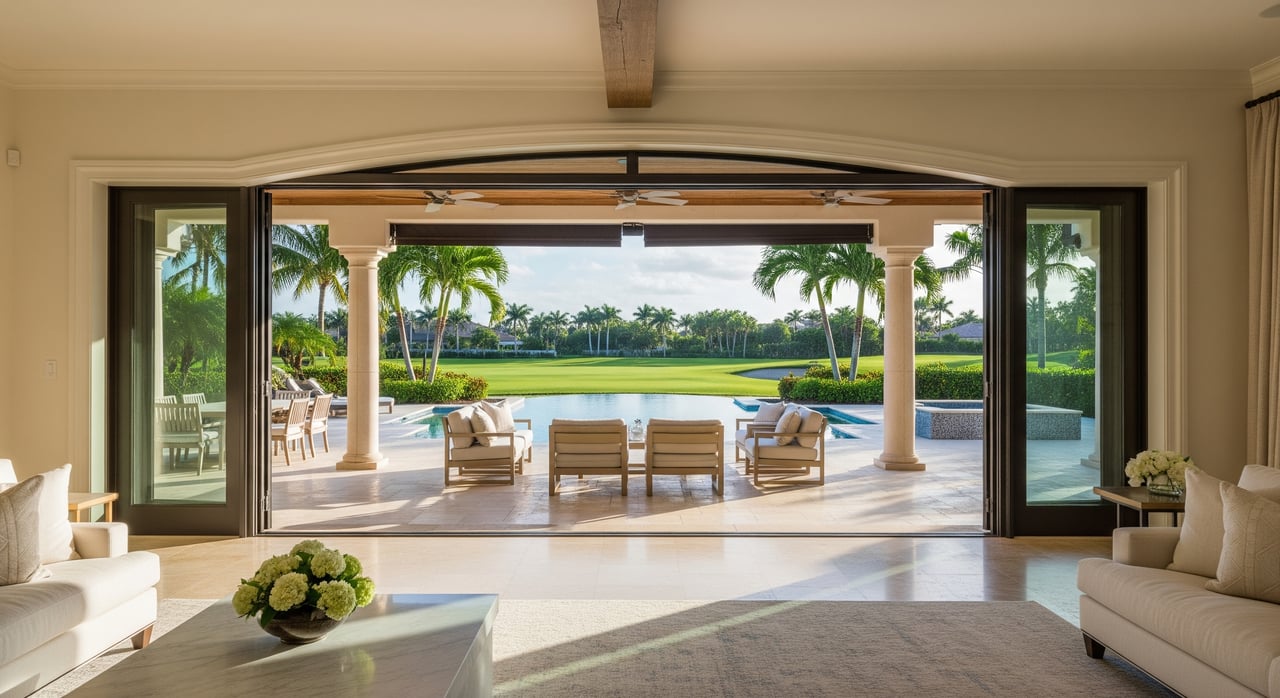
Beyond beachfront pools, many properties include courtyard pools, hot tubs, barbecue grills, and shaded seating areas. Look at wind exposure and sun-shade balance on the property map to gauge usability throughout the year.
Safety and coastal resilience
Well-chosen protection features help preserve your investment and reduce disruption during storm season.
Hurricane protection
Common protections include impact-rated windows and doors or hurricane shutters. Associations may have rules for owner-installed protection and often address common-area protection as part of capital plans. Ask for policy language and recent upgrade history.
Elevators and emergency systems
Elevators usually follow hurricane and evacuation protocols. Some buildings maintain backup generators for elevators and life-safety equipment. Confirm generator capacity and testing schedules.
Flood mitigation and elevation
Building elevation, slab heights, and distance to the mean high water line influence flood risk. Associations may keep elevation certificates and flood maps on file. These details matter for safety planning and insurance requirements.
Corrosion-resistant materials
Salt air accelerates corrosion on railings, hardware, and exterior components. Associations often implement strict painting cycles and metal maintenance. Review maintenance schedules and recent exterior work.
What amenities mean for costs
Amenities add lifestyle value, but they also shape your monthly dues, reserves, and insurance. Ask for documents early in your search so you can compare buildings with confidence.
HOA dues and reserves
Pools, docks, elevators, and on-site staff increase operating costs and reserve contributions. Request the latest reserve study, budget, audited statements, and meeting minutes to spot plans for roofs, pool decks, dock pilings, or elevator modernization.
Special assessments
Coastal buildings periodically face large capital projects. Review the assessment history and the association’s funding policy. A proactive reserve plan can help minimize surprises.
Insurance requirements
Associations typically carry master property and liability coverage. Owners carry HO-6 policies for interior improvements and contents, and flood insurance if required by their lender or by location in a mapped flood zone. Coastal zones can carry higher premiums and stricter building requirements. Verify master policy deductibles and whether hurricane or wind deductibles can be assessed to owners.
Rules and operations
Rental policies vary by building and may limit short-term rentals or set minimum lease terms. Pet policies also differ, including weight limits and the number of pets. If boating is important, confirm how slips are assigned and whether rights transfer with a sale.
Ongoing maintenance realities
Pools, HVAC systems, elevators, and docks require regular care. Salt-air exposure shortens the lifespan of exterior materials and equipment. Confirm recent inspections, repainting cycles, and timelines for major upgrades.
Match amenities to your lifestyle
A clear picture of how you plan to use the property helps you sort must-haves from nice-to-haves.
Low-maintenance seasonal living
- Look for on-site management, strong reserves, reliable building systems, and storage for personal items. If you plan to offset costs by renting while away, confirm rental rules and minimum terms.
Active boating and water access
- Prioritize a deeded or reliably assigned slip sized for your vessel, with depth and air-draft limits that fit your needs. Ask about transfer rules, slip fees, and waitlists.
Social and wellness focus
- Seek buildings with club rooms, a consistent social calendar, fitness spaces, and well-maintained pools and shared areas. Guest suites are a bonus for visiting family.
Investment and rental strategy
- Target associations with permissive rental rules and clear management processes. Understand cleaning, turnover, and marketing expectations for seasonal demand.
Buyer due diligence checklist
Use this list to organize your requests and conversations with the association and your agent.
- Association documents: declarations, bylaws, rules, current budget, recent meeting minutes, reserve study, master insurance, vendor contracts.
- Financial health: operating budget, reserve fund balance, history of special assessments, owner delinquency rate.
- Building and site condition: recent engineering reports, elevator inspections, dates for roof, exterior, pool, and dock work.
- Insurance and flood exposure: master policy details and deductibles; HO-6 and flood insurance requirements; obtain FEMA flood zone and elevation certificate if available.
- Dock and slip details: ownership type, size and depth, transfer rules, fees, and any waitlist.
- Rules impacting use: short-term rental rules, minimum lease terms, pet policies, age restrictions if any, and how renovations are approved.
- Access and services: elevator access, on-site management hours, emergency contacts, guest parking, storage availability.
- Local coastal planning: inquire about beach nourishment, dredging schedules, or erosion management that could affect access or docks.
How to verify specifics in The Moorings
You can verify building-level details through association websites and documents, Collier County property and permitting records, and conversations with local management. For risk and insurance planning, consult FEMA Flood Insurance Rate Maps to confirm zones and elevation, and review sea-level trends through NOAA tools. If you are planning work inside a unit, check Florida Building Code standards and contractor licensing through state resources. Your agent can coordinate these requests and help interpret what they mean for the property you are considering.
Final thoughts
Beachfront and bayfront living in The Moorings is about more than a view. The right amenities can make your seasonal routine simple, active, and secure, while solid reserves and clear rules protect your time and budget. Start with your lifestyle priorities, then verify the documents that show how each building manages costs, maintenance, and coastal risks. When you compare apples to apples, you will feel confident choosing the building that fits your plans today and supports resale tomorrow.
Ready to tour buildings that match your priorities and budget? Reach out to Armand Alikaj - CANCELLED 323 for a personalized Naples market consultation.
FAQs
What beachfront amenities are standard in The Moorings?
- Most beachfront buildings offer direct or controlled beach access, oceanfront pools, outdoor showers, and some level of storage; specifics vary by association.
How do boat slips work in Moorings bayfront condos?
- Slips may be deeded, leased, or assigned, with size, depth, and transfer rules set by the association; confirm fees and any waitlist before you buy.
What insurance do I need for a Moorings beachfront condo?
- The association carries a master policy; you typically need an HO-6 for interiors and contents and flood coverage if required by your lender or flood zone.
How do HOA fees relate to amenities in The Moorings?
- Features like pools, docks, elevators, and on-site staff raise operating costs and reserves, which are reflected in monthly dues and future assessments.
Are short-term rentals allowed in Moorings condos?
- Rules vary by building; many associations set minimum lease terms or limit short stays, so review the current rental policy and local regulations before purchase.