Sticker shock over condo fees can derail a great Park Shore find. If you are eyeing a waterfront tower in Naples, you want to know exactly what you get for those monthly dollars and how one building’s fees compare to another. You also want to avoid surprises from insurance, reserves, or special assessments.
In this guide, you will learn what Park Shore condo HOA fees typically cover, what drives differences between gulf-front and bayfront towers, how to compare buildings using simple calculations, and which documents to request before you commit. Let’s dive in.
Why Park Shore fees vary
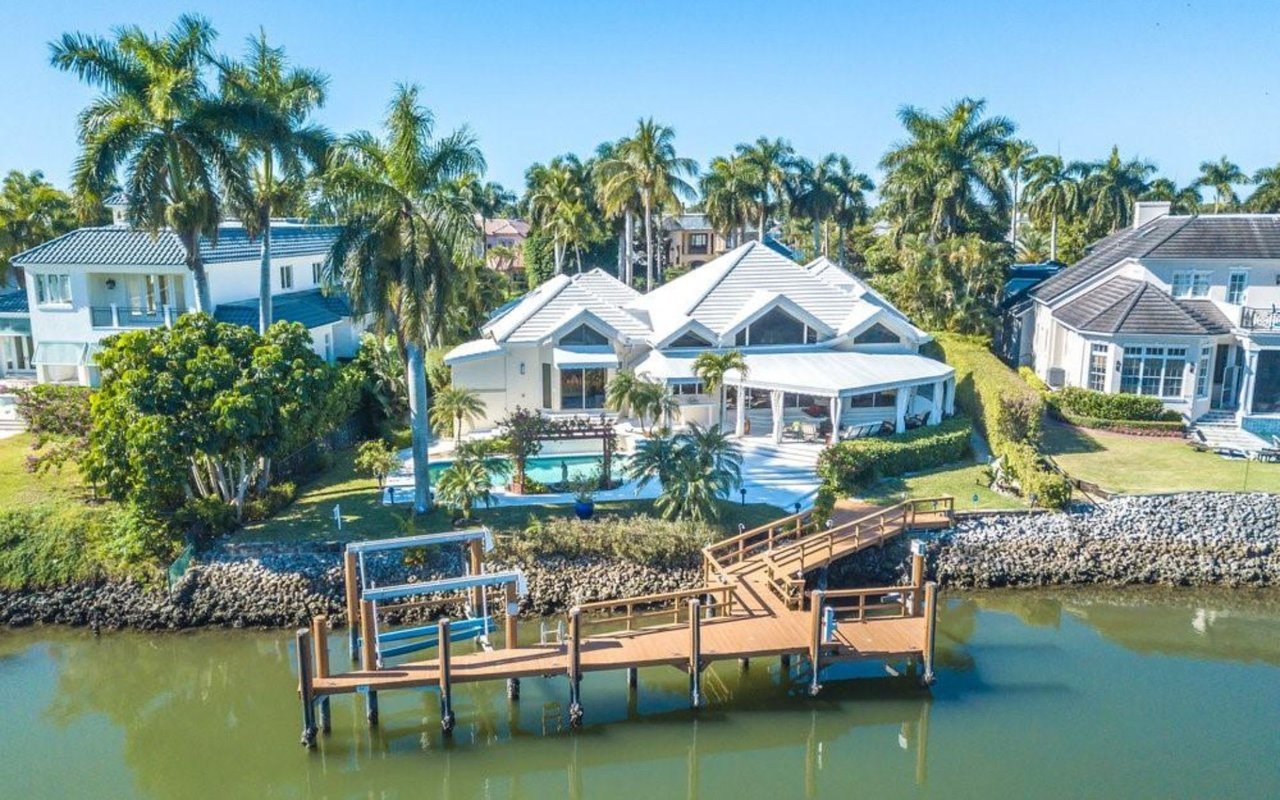
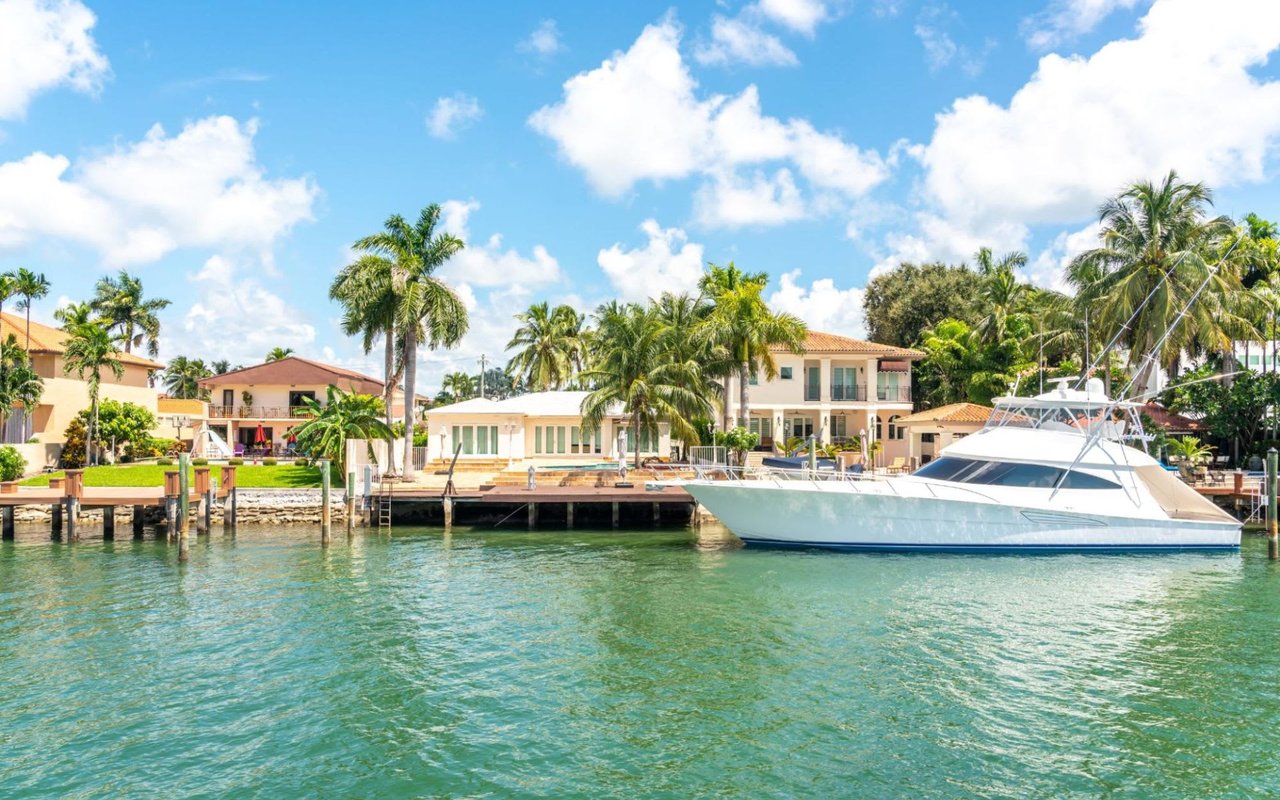
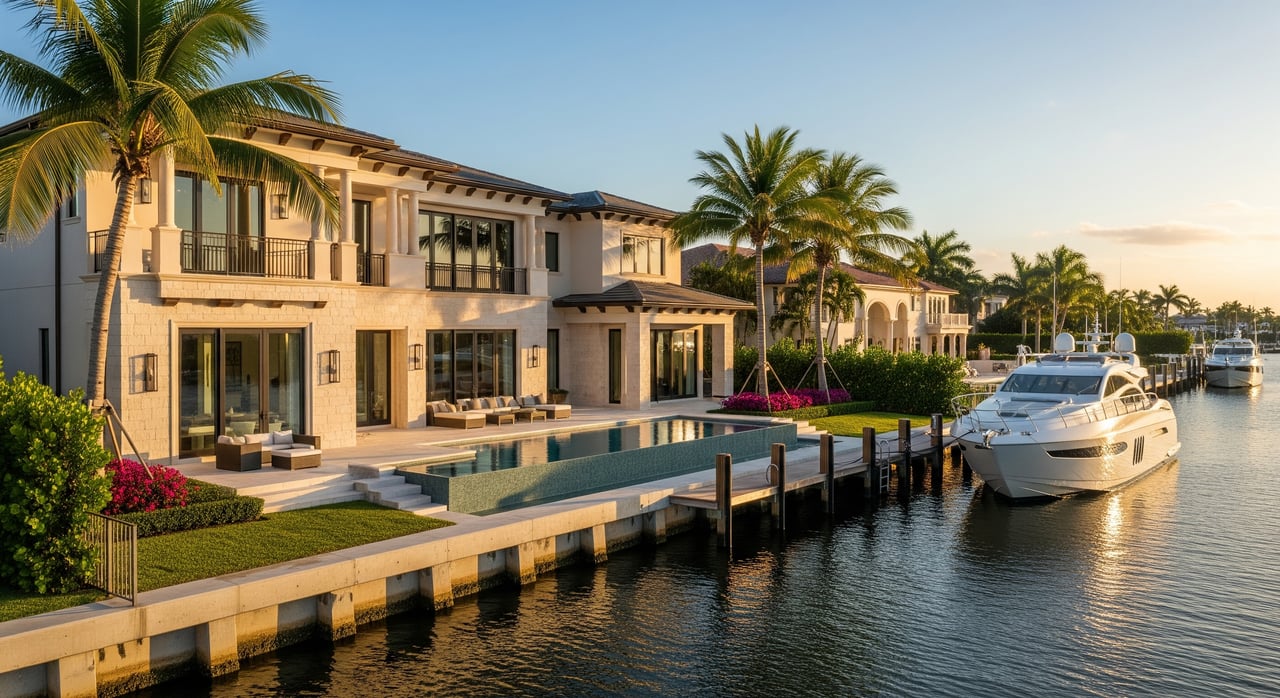
Park Shore is a prime coastal neighborhood in Naples with mid-rise and high-rise towers across the Gulf of Mexico shoreline and the back bay. That waterfront setting is part of the appeal, but it also brings higher maintenance and insurance needs than inland properties. Salt air, wind, and storm hardening drive costs up for many associations.
Fees also vary by building age, amenity level, staffing, and the number of units that share fixed costs. A boutique tower may have higher per-unit fees than a larger building with similar amenities. Location matters too. Gulf-front towers often carry higher operating and insurance costs than bayfront buildings.
You will see wide ranges here. Rather than chasing a single average, compare buildings by category and by fee per square foot. That gives you a fair way to size up different units.
Typical fee categories
- Basic or low-amenity buildings. Older or simpler associations with fewer amenities and modest staffing. Fees support core maintenance, management, and common utilities.
- Mid-range buildings. Updated common areas, a fitness room, a pool, and routine services. Fees reflect predictable reserves and standard insurance.
- Luxury full-service towers. Gulf-front or marquee addresses with concierge-level staffing, beach services, multiple amenities, and robust hurricane hardening. Fees reflect expanded services and higher insurance and maintenance costs.
What fees usually cover
Every association is unique, but most Park Shore condo fees support a few core buckets. Review your target building’s budget to confirm details.
Core operating expenses
- Exterior and common-area maintenance, including roofs, painting, pool decks, sea walls, elevators, and exterior concrete repairs.
- Staffing and services like association management, front desk or concierge where offered, janitorial for common areas, and grounds or pool care.
- Utilities for common areas and sometimes certain in-unit utilities, such as water or corridor HVAC. Confirm what is included in your building.
- Contracted services such as landscaping, pest control, elevator maintenance, security or monitoring, trash removal, HVAC servicing, and generator upkeep.
Insurance and risk management
- Master property and liability insurance for the association. Owners typically carry their own HO-6 policy for interiors, personal property, and loss assessment coverage.
- Windstorm and hurricane deductibles that can be large and percentage based. These can lead to special assessments after a major claim if reserves are insufficient.
- Flood insurance considerations, especially for waterfront towers. Flood coverage may be held at the building level or required of unit owners individually.
Reserves and capital projects
- Reserve contributions to fund planned replacements, such as roofs, exterior concrete restoration, elevator modernization, pool resurfacing, and HVAC infrastructure.
- Periodic reserve studies guide contribution levels and timing. Healthy reserves reduce the risk of special assessments.
Amenities and extras that add up
- Private beach access or beachfront maintenance, including sand and dune stewardship.
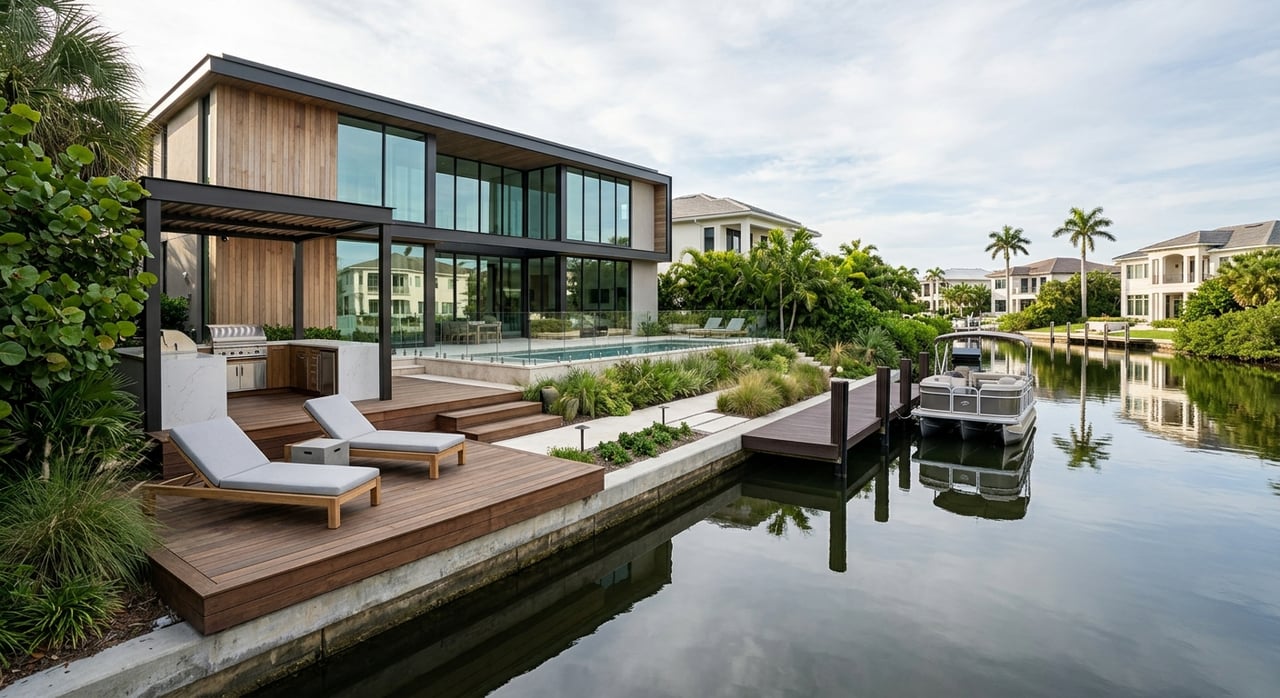
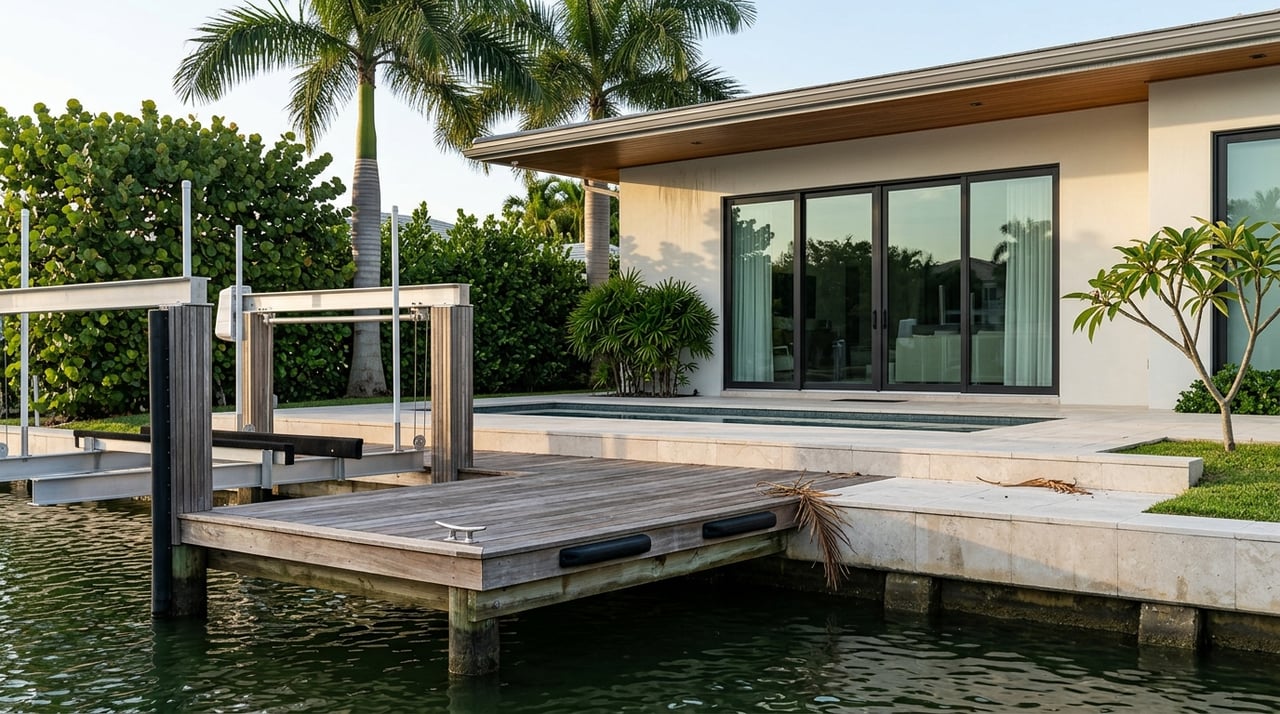
- Marinas or boat slips, plus dock and bulkhead maintenance. These may be billed to slip owners or carried by the association, so verify the setup.
- Fitness centers, spas, tennis or pickleball, multiple pools, guest suites, valet or parking staff, and social programming.
- Security systems and onsite personnel in higher-service buildings.
Taxes and other pass-throughs
- Some associations pay assessments or property taxes on common areas, plus certain municipal or utility assessments when applicable.
Gulf-front vs bayfront costs
Not all waterfront is the same. Gulf-front and bayfront towers face different maintenance patterns and insurance needs, which often show up in the monthly fee.
Gulf-front towers
- Direct salt spray and wave action accelerate corrosion of exterior concrete, railings, and mechanicals, which increases maintenance frequency.
- Beach and dune maintenance can be a recurring line item.
- Hurricane hardening is often more robust, with impact glazing or stronger doors.
- Amenity packages tend to be full service, with higher staffing and operating costs.
- Flood exposure and storm surge risk may influence coverage needs and deductibles.
Bayfront towers
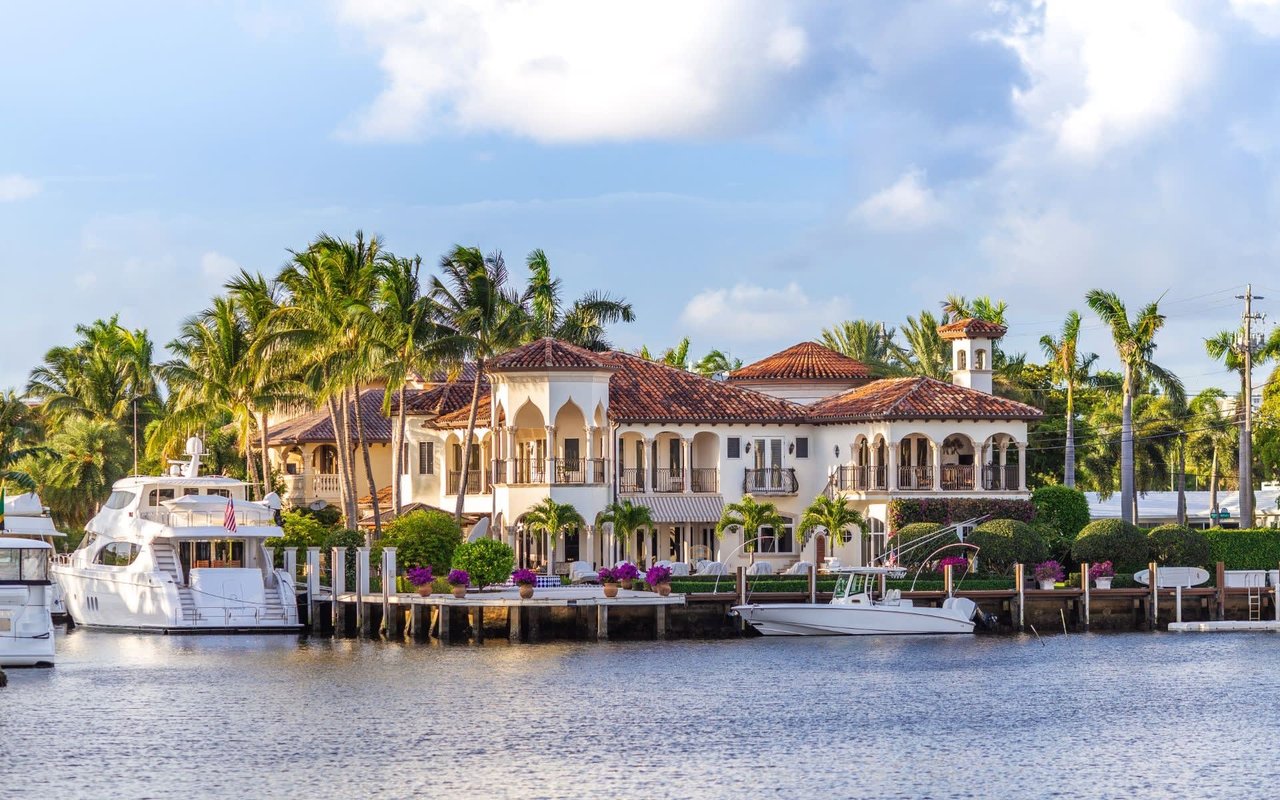
- Marinas, docks, and bulkheads introduce unique maintenance and insurance costs. Some associations offset costs with slip revenue, while others bill slip owners directly.
- Corrosion patterns differ from the open gulf, but water exposure still drives upkeep.
- Flood maps and insurance profiles can vary from gulf-front locations, so review your building’s details.
Unit count and scale
- Smaller boutique buildings spread fixed costs across fewer owners, which can increase the per-unit fee.
- Larger towers may benefit from scale, although high-service staffing can offset those savings.
How to compare two condos
If you look only at the monthly fee, larger units can appear more expensive even if the building is efficient. Use a few simple calculations to compare apples to apples.
Use fee per square foot
- Formula: Monthly fee ÷ unit square footage.
- Example only: If a monthly fee is 1,600 dollars and the unit is 1,600 square feet, your monthly fee is 1.00 dollar per square foot. If another unit is 1,900 dollars for 1,900 square feet, that is also 1.00 dollar per square foot. The per-foot view shows both buildings carry similar fee intensity.
Calculate your annual HOA cost
- Formula: Monthly fee × 12. This helps you budget and compare long-term carrying costs.
Check what the fee includes
- Does the fee cover water, cable, internet, or any in-unit utilities? What about beach services or fitness facilities? A higher fee may cover more, which changes the true net cost to you.
Look beyond the sticker price
- Review the reserve study and insurance deductibles. A building with higher monthly fees and strong reserves can be safer than a low-fee building that relies on special assessments.
Documents to request
Before you submit an offer or during your condo review period, request a full document set so you can verify the numbers and the plan.
- Current year operating budget and prior year actuals.
- Most recent reserve study and summary, including projected replacement costs and recommended contributions.
- Association balance sheet and income statement for at least 12 months.
- Board meeting minutes for the last 12 to 24 months.
- List of upcoming capital projects and any approved but uncompleted work.
- Master insurance declarations, including coverage limits and deductibles.
- Owner delinquency or aging report showing the percentage of owners behind on assessments.
- Management contract and major vendor agreements, including term and fees.
- Reserve fund bank statements or proof of invested reserves if applicable.
Florida condominium buyers should also be aware of state rules under Florida Statutes, Chapter 718, and any local inspection or safety programs that apply to older high-rise buildings in Collier County and the City of Naples. Ask for relevant reports if they exist.
Read the financials like a pro
Numbers tell the building’s story. Here is how to interpret them and what to watch for.
Key indicators to review
- Reserve adequacy. Compare the current reserve balance and annual contributions to the reserve study’s recommendations and near-term projects.
- Special assessment history. Frequent or recent assessments can signal underfunding or deferred maintenance.
- Operating trends. Expect higher insurance, utilities, and labor. Look for steady, transparent increases in assessments to keep pace with costs.
- Delinquency rate. A high percentage of owners behind on fees reduces cash flow and increases risk of special assessments.
- Insurance structure. Review windstorm and hurricane deductibles. Large percentage deductibles can result in sizeable owner assessments after storms.
Quick calculations you can do
- Fee per square foot (monthly) = Monthly fee ÷ unit square footage.
- Annual HOA cost = Monthly fee × 12.
- Simple reserve ratio = Reserve balance ÷ annual operating budget. This is a directional indicator. It is better to compare reserves to the reserve study’s project schedule.
Red flags to investigate
- No recent professional reserve study for a high-rise building.
- Large capital projects with no clear funding plan.
- Insurance policies with unusually high deductibles or important exclusions.
- Frequent special assessments or mid-year budget changes.
- Significant litigation, repeated vendor issues, or many owners more than 90 days past due.
Buyer checklist for Park Shore
Use this short list to stay focused during your search and due diligence.
Before you write an offer
- Ask for recent comparable HOA fees for similar-size units in Park Shore and confirm what each fee includes.
- Verify what the master policy covers versus what you must insure with your HO-6 policy. Ask about flood coverage requirements.
- Confirm whether parking, storage, and any boat slip fees are included or billed separately.
- Ask about any major projects planned in the next 1 to 5 years and how they will be funded.
- Request any recent building safety or engineering reports and confirm compliance with state or local requirements.
Questions for the board or manager
- What is the current hurricane or windstorm deductible and how has it been applied in past claims?
- Has the association issued special assessments in the last 5 years? For what and how much?
- How often is the reserve study updated and when was the last full study?
- What percentage of units are rental versus owner-occupied and how does that affect financing or insurance?
- Are there any pending litigations, code violations, or liens?
- How many owners are delinquent and what is the collection policy?
At closing and after
- Confirm delivery of all final budgets, reserve disclosures, insurance certificates, and the estoppel letter.
- Review association rules, including rental and pet policies, and set up payment procedures for assessments.
- If a slip or reserved parking conveys, confirm ownership or assignment and how fees are billed.
Smart timing and expectations
Insurance and labor costs have risen across coastal Florida, and Park Shore is no exception. Expect associations to adjust assessments as costs change. That is not a bad sign by itself. Healthy buildings raise fees predictably and maintain strong reserves. Buildings that delay increases often end up with special assessments later.
If you take away one idea, make it this: do not shop by fee alone. Shop by fee per square foot, by what is included, and by the strength of reserves and insurance. That approach helps you find the best long-term value in Park Shore.
Ready to compare specific buildings or want help pulling association documents and fee details? Reach out to Armand Alikaj - CANCELLED 323 for a tailored Park Shore condo review and local guidance.
FAQs
What do Park Shore condo HOA fees usually include?
- Most fees cover building maintenance, common utilities, management, insurance for the association, reserve contributions, and amenities such as pools, fitness rooms, beach or marina upkeep, and security.
How do gulf-front buildings affect monthly fees?
- Gulf-front towers often face higher maintenance from salt and surf, more robust hurricane hardening, potential beach maintenance costs, and expanded staffing, which can raise monthly fees.
How can I compare fees between two Park Shore buildings?
- Use fee per square foot, check what utilities and services are included, review reserve funding and insurance deductibles, and look at the special assessment history.
What documents should I ask for before buying a Park Shore condo?
- Request the operating budget, prior year actuals, reserve study, financial statements, board minutes, insurance declarations, delinquency report, vendor contracts, and proof of reserves.
Are special assessments common in Park Shore condos?
- Special assessments occur when reserves and insurance do not cover a project or claim. Review the reserve study, funding levels, and assessment history to gauge a building’s risk profile.