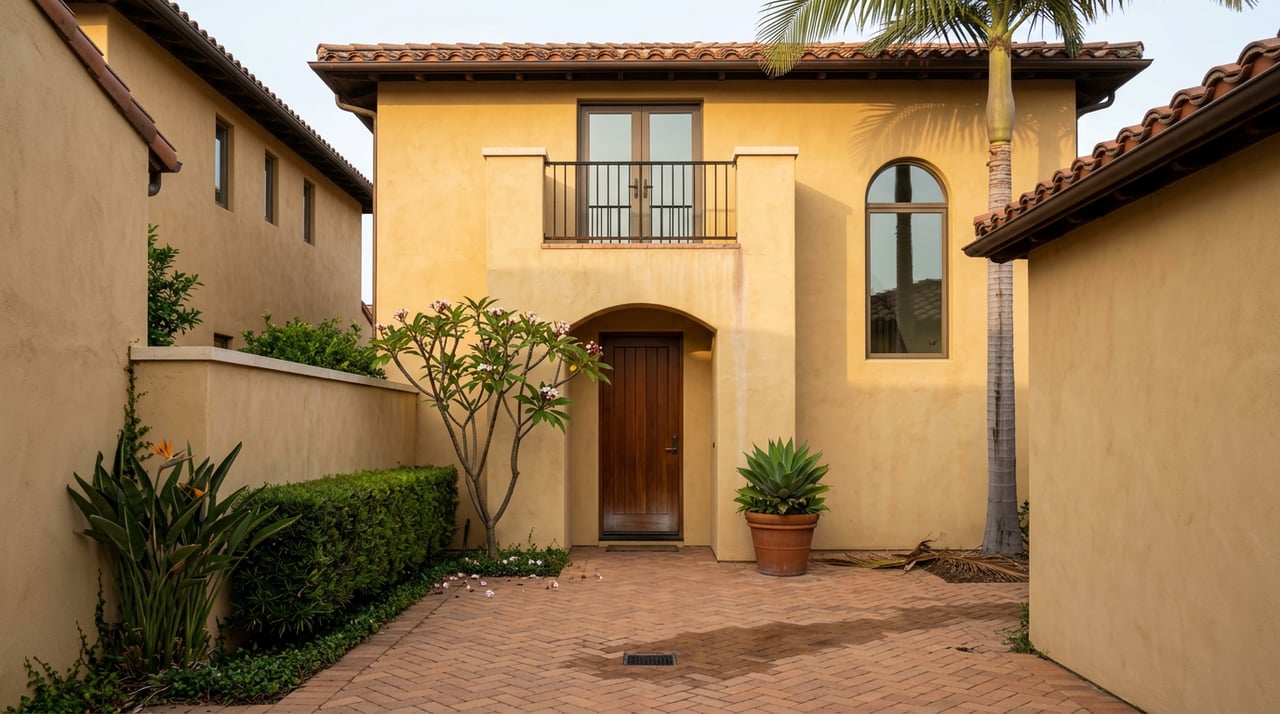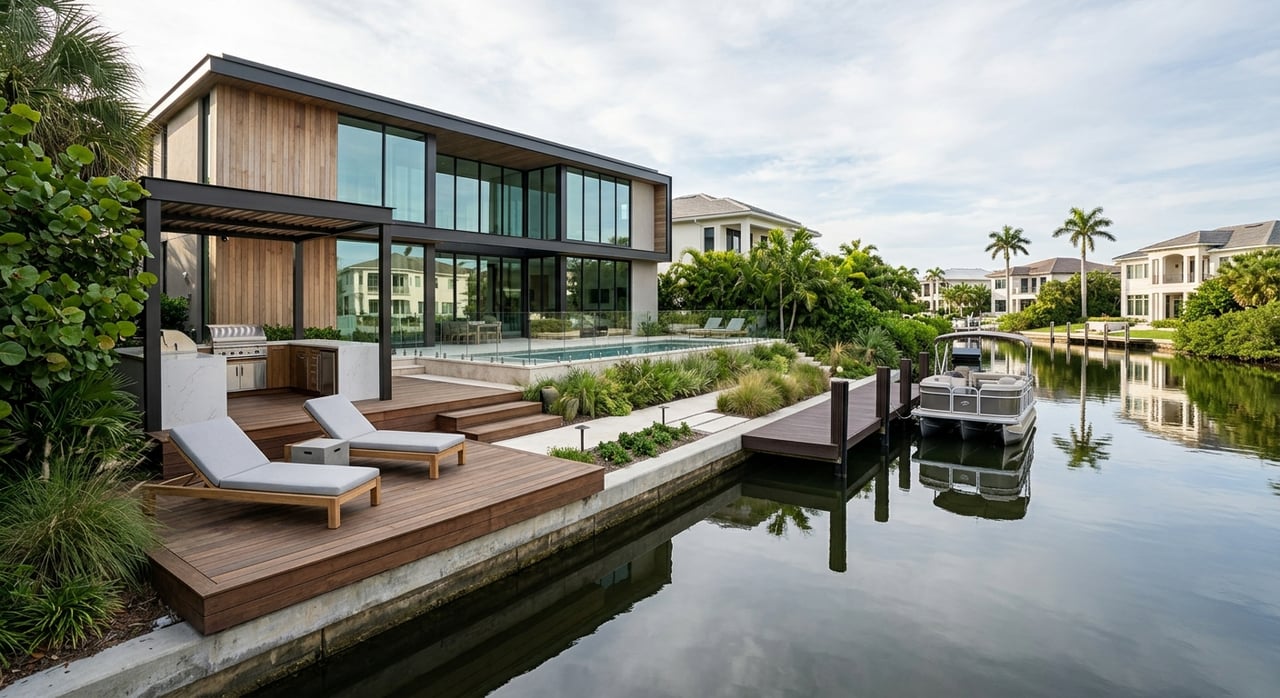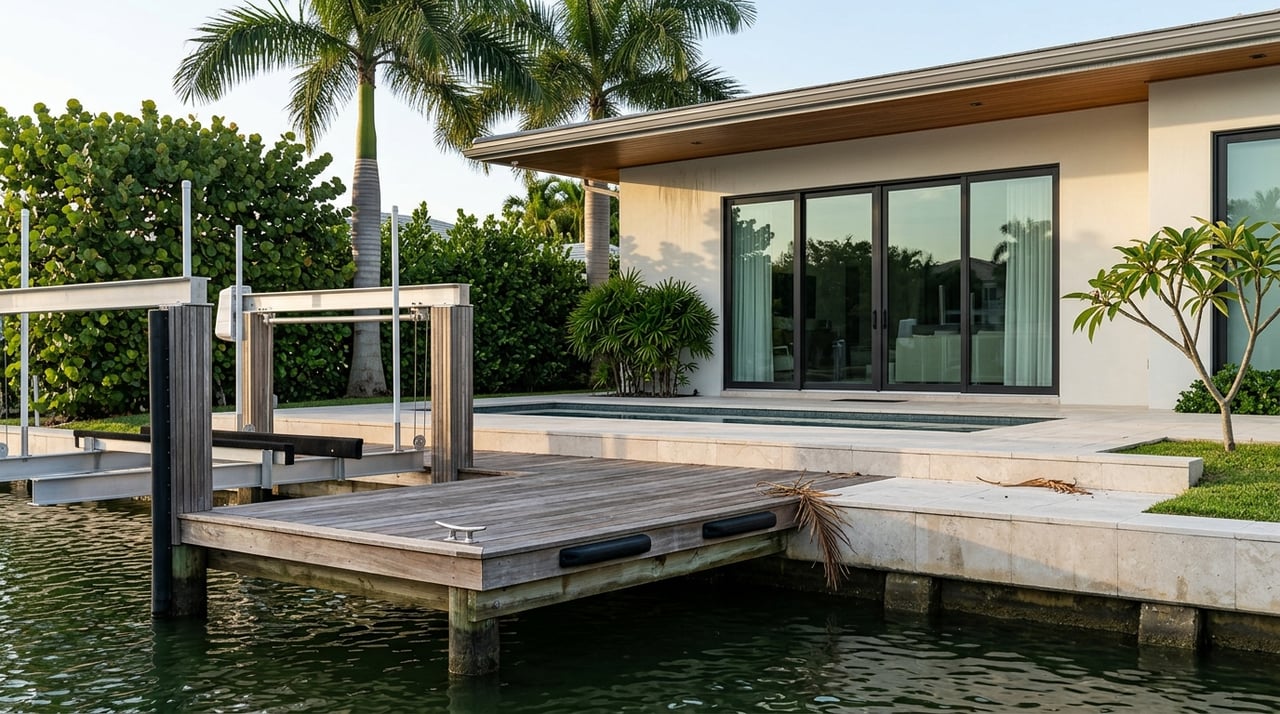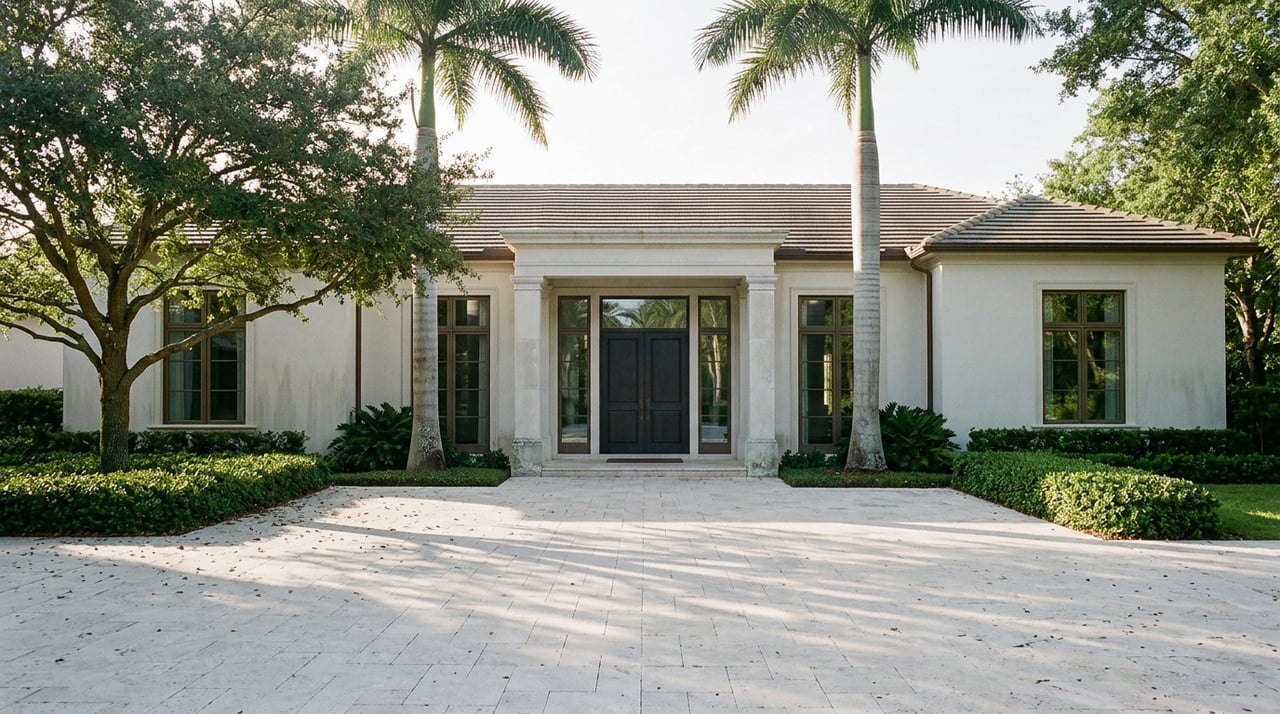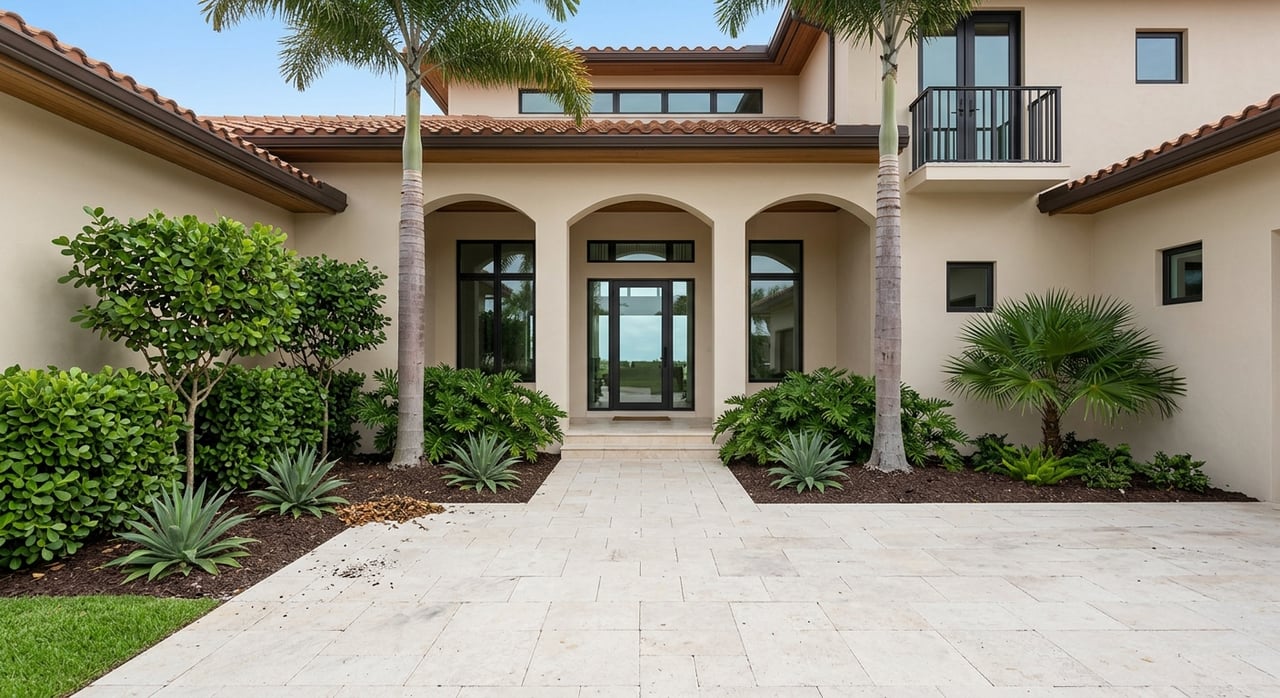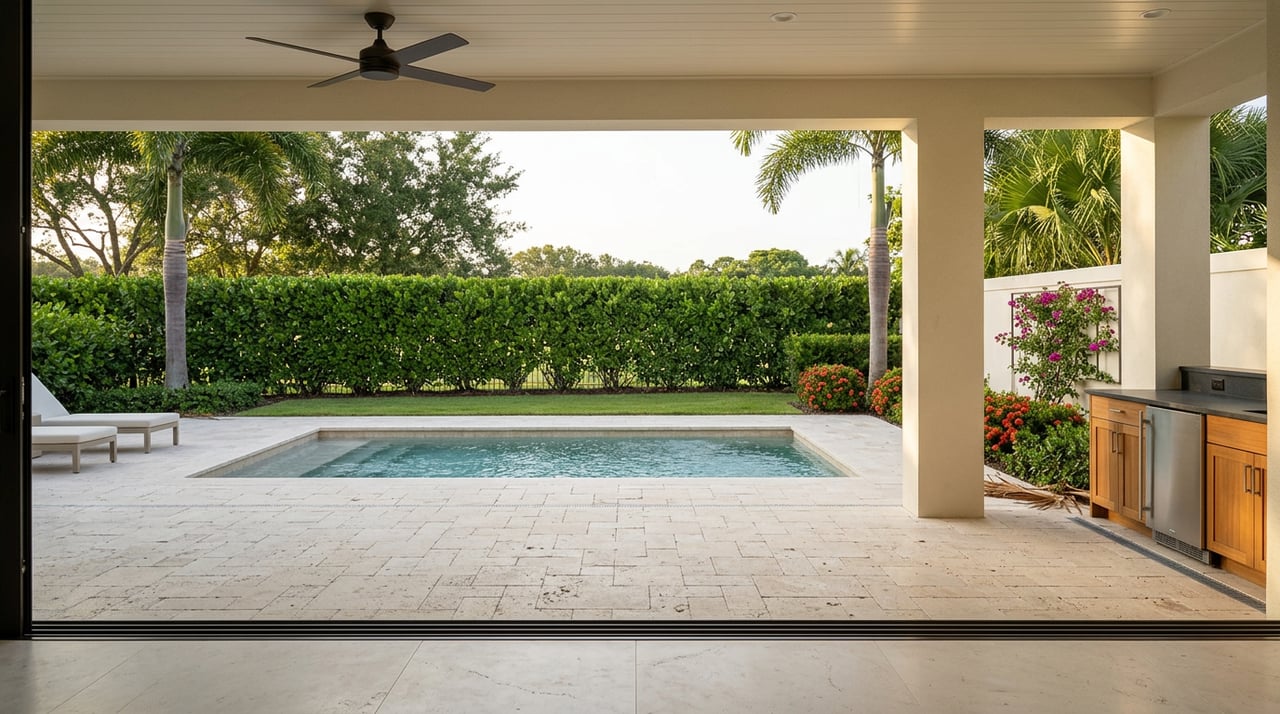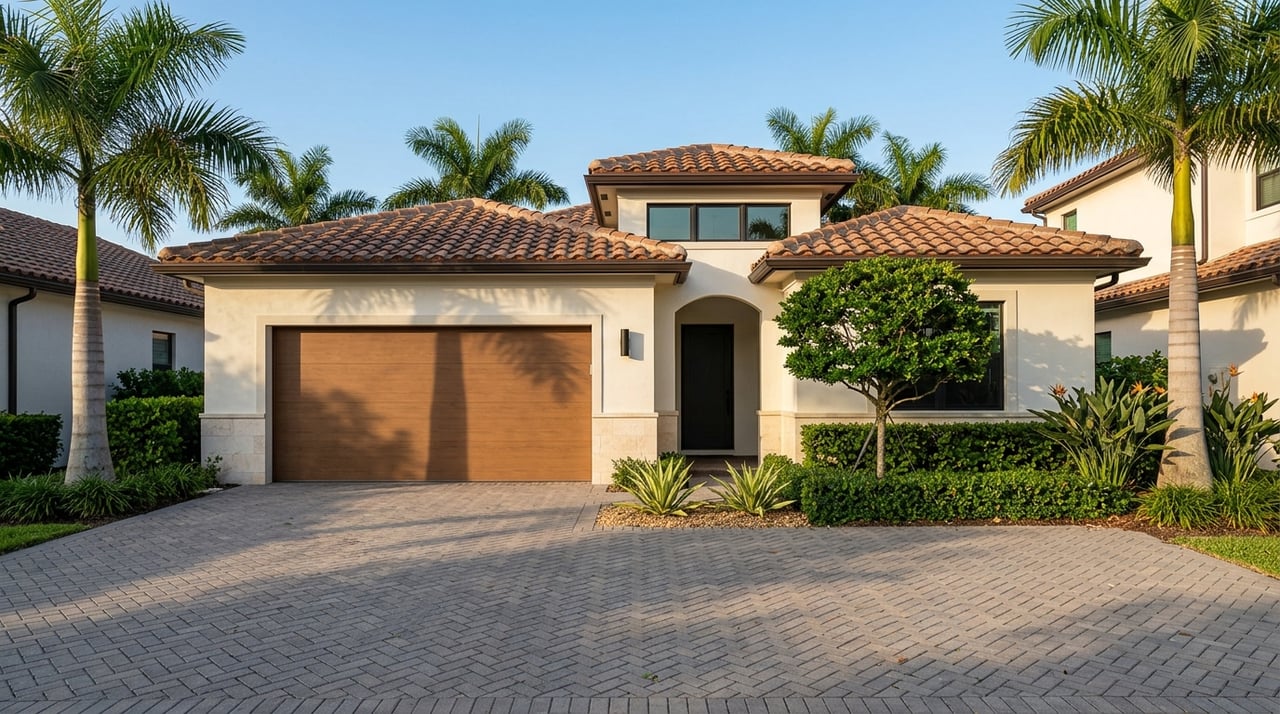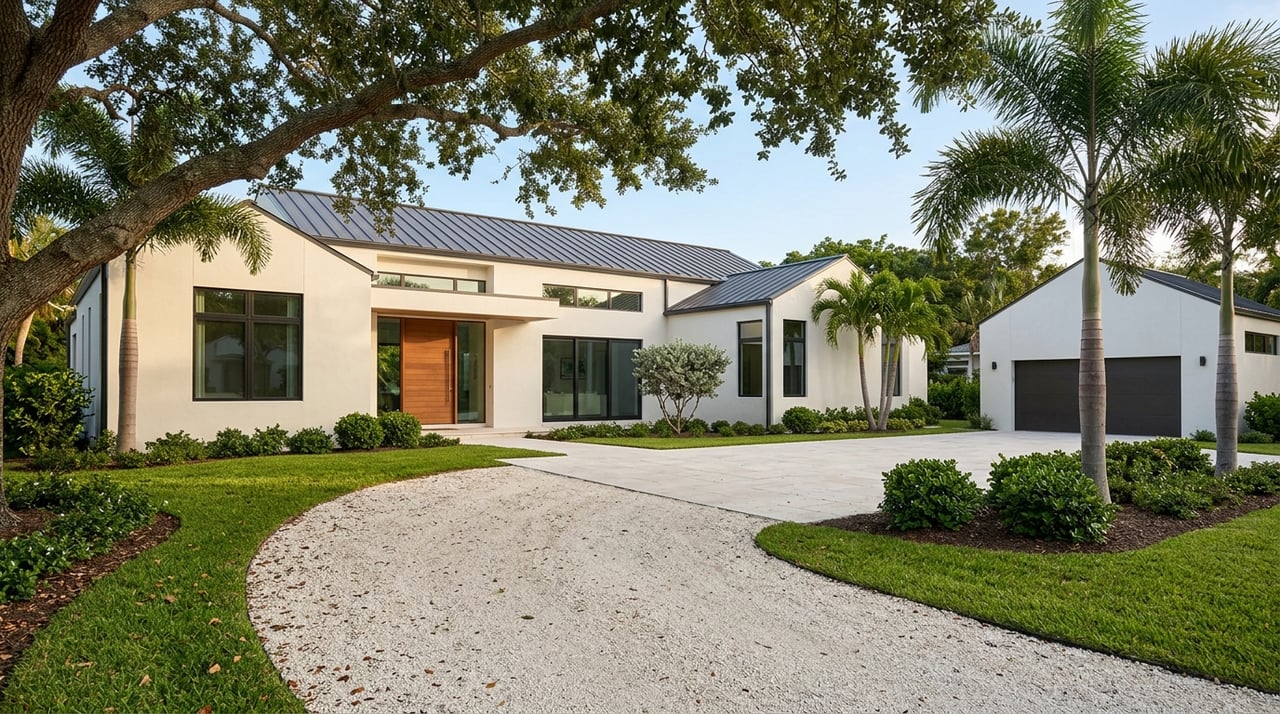
On the Pelican Marsh Community Development District's own site sits a rendering: a new guard gate for the US 41 entrance, drawn up in preliminary form, with construction scheduled to start in April of 2026. The district's board met about it this year, the way it meets every month, on the third Wednesday, at the Pelican Marsh Foundation Building on Pelican Marsh Boulevard. None of that shows up on a listing sheet. A buyer touring homes this fall is far more likely to ask about the golf club than about a gatehouse. That instinct gets the priority backward.
Pelican Marsh presents two separate financial questions to anyone considering a purchase, and they behave nothing alike. One is whether to join Pelican Marsh Golf Club. The other is what you owe the Community Development District that finances the roads, drainage, and entry infrastructure underneath the whole community. The first is a choice you can decline indefinitely. The second attaches to the deed and rides along with the property no matter what you decide about golf.
The Club You Can Skip
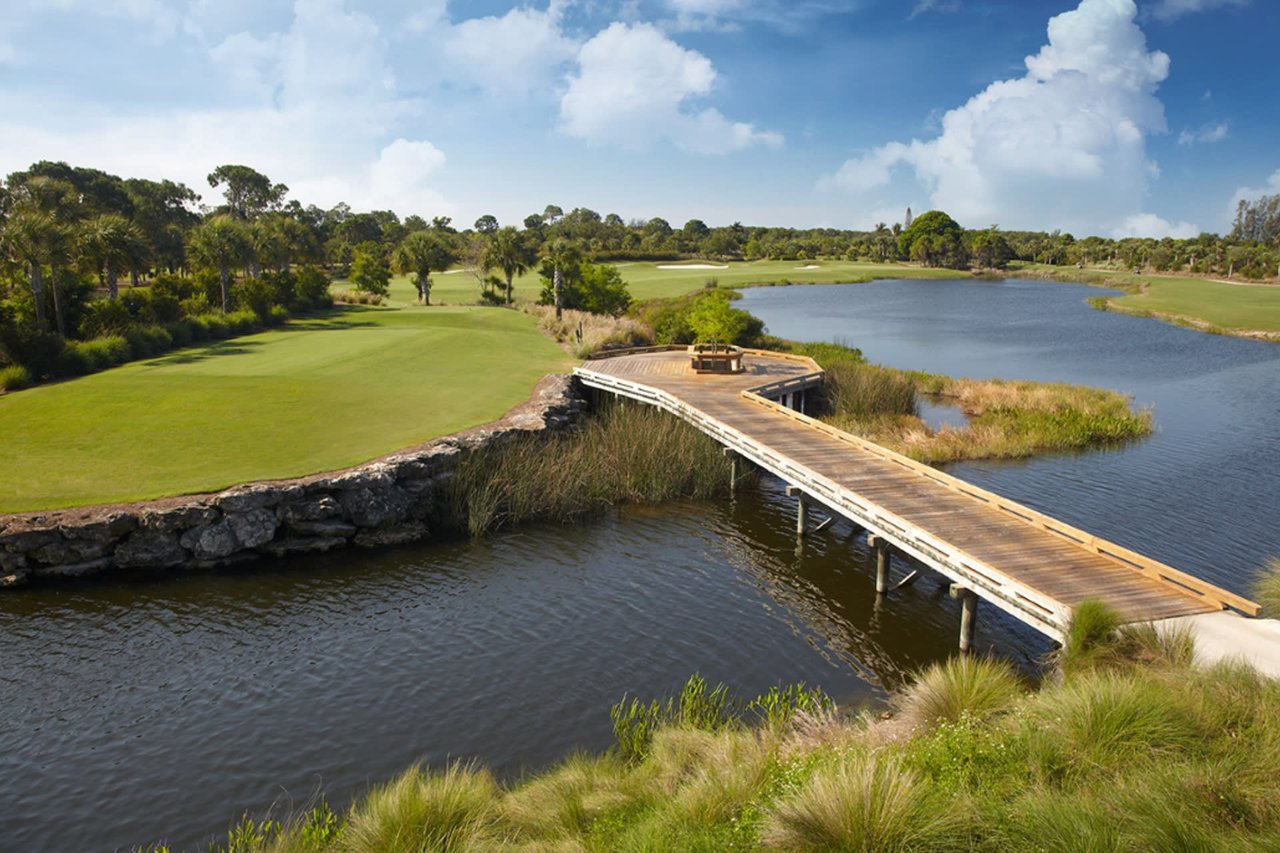
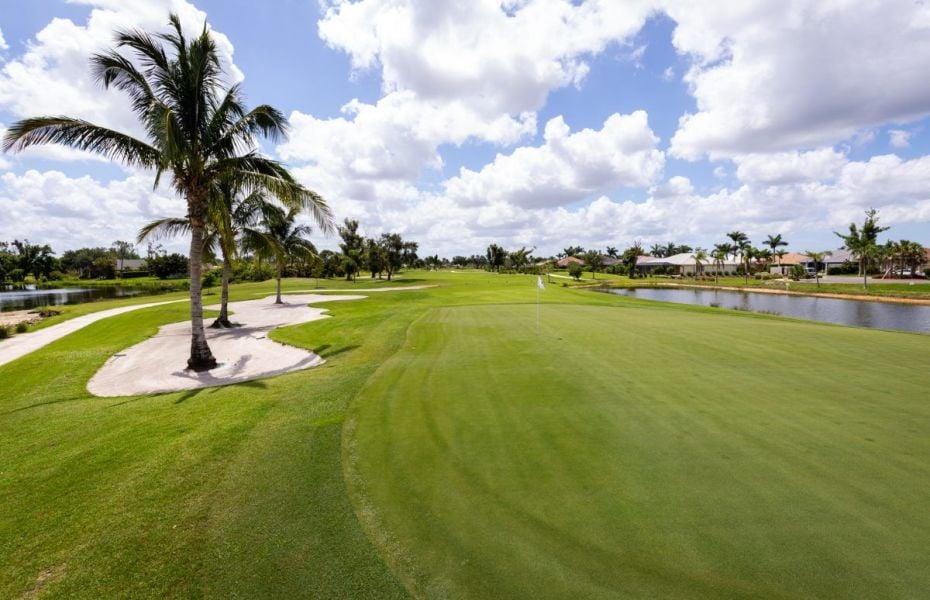
Pelican Marsh Golf Club is member-owned, and membership is optional. That is not marketing language softening a requirement. It is confirmed on the club's own membership page and consistent across every independent source describing the community: buying a home in Pelican Marsh does not obligate you to join. The course itself, designed by Robert von Hagge, opened in 1994. It carries Audubon sanctuary certification and has hosted a Champions Tour event. Full membership is capped at 385, and both Full Golf and Social tiers currently run multi-year waitlists, which tells you something about demand but nothing about obligation. If you want in, you apply. If you never apply, you still own a home in Pelican Marsh with full access to the gated community's other amenities.
That is the piece buyers spend the most time thinking through, because it is the piece that shows up in conversation. It is also the piece with a genuine off-ramp.
The District You Can't
The Community Development District is different in kind, not just in degree. It was established in 1993 to finance one of Southwest Florida's largest master-planned developments, and it covers 2,075 acres and more than 3,000 homes across both Pelican Marsh and neighboring Tiburon. Pelican Marsh's own footprint runs a bit over 1,000 acres and closer to 2,000 residences across nearly 30 subdivisions, which means the number a buyer finds in CDD paperwork often describes a shared district, not Pelican Marsh alone. That distinction matters when you are trying to figure out what a specific parcel actually owes.
A CDD is a special-purpose unit of government created under Florida law, governed by an elected five-member Board of Supervisors, and its business is conducted under the state's Sunshine law, meaning the meetings are open and the minutes are public. The assessment it levies against every property in the district shows up as a non-ad valorem line on the Collier County tax bill, separate from the millage-based property tax, and it typically has two components. One is debt service, repaying bonds the district issued to build infrastructure, fixed for the term of those bonds. The other is operations and maintenance, which the board resets every year based on the adopted budget and can move up or down.
The most recent figure available from board minutes puts the debt service assessment for the Series 2022 Bond at $498,570 for the district as a whole. That is not a per-home number, and treating it as one would be a mistake. It is the aggregate obligation spread across every parcel the bond covers, and how much lands on any single home depends on lot type and where that parcel falls in the original bond allocation. The way to get your actual number is to ask for the current CDD budget and the bond amortization schedule tied to the specific parcel, not to divide a district total by a guess at home count.
Why the Timing Matters Right Now
Here is the part that a buyer closing this fall needs to sit with. The Series 2022 Bond figure describes an obligation that already exists. It does not describe the guard gate. A capital project like a new gatehouse gets funded through the same CDD structure, but new capital spending typically shows up either in a future O&M budget or through a new assessment resolution, not retroactively folded into an existing bond series. The rendering on the district's site and the April 2026 start date mean the district is spending capital dollars right now, on a project that had not been fully priced into the numbers sitting in last year's minutes.
That is the mechanism worth understanding before you write an offer. The club decision is stable. You can defer it, decline it, or apply for it later, and the terms will still be the club's terms whenever you get there. The CDD obligation is live and moving, tied to a board that met this month and will meet again next month, working through a project that started this spring. A number pulled from older paperwork tells you what the district owed yesterday. It does not tell you what it will owe once the gatehouse bills come due.
| Golf Club Membership | CDD Assessment | |
|---|---|---|
| Required to own here | No | Yes, attaches to the parcel |
| Who sets the cost | Member-owned club board | Elected CDD Board of Supervisors |
| Where it appears | Separate club invoice | Non-ad valorem line, county tax bill |
| Can you decline it | Yes, indefinitely | No |
| Current status | Multi-year waitlist, capped at 385 members | Mid-capital-project, gatehouse work scheduled to start April 2026 |
Before You Write an Offer
The documents that answer these questions are public or available on request, and pulling them before you make an offer is the difference between an accurate carrying cost and a guess.
- Request the current adopted CDD budget and the assessment schedule for the specific parcel, not a community-wide average.
- Ask for the bond amortization schedule tied to that parcel's original allocation, including which bond series applies and how many years remain on debt service.
- Pull an estoppel letter, which will state the exact current assessment and confirm bond payoff status.
- Check recent CDD board minutes for any discussion of the guard gate project's funding source and whether it has moved from planning into an active line item.
- Separately request the master association and any sub-association budgets, since those cover amenities and neighborhood maintenance and sit apart from the CDD entirely.
None of this makes the CDD structure a problem to solve. It is how Pelican Marsh built and continues to fund the roads, lakes, and entry infrastructure that make the gated community function, and the same governance model finances comparable communities across Collier County. The point is narrower than that. A buyer who treats the club decision and the CDD obligation as the same kind of choice, one negotiable and deferrable, one fixed and inherited, is working from a misunderstanding that shows up the first time a tax bill or an estoppel letter arrives with a number that does not match what they expected.
Pelican Marsh's own board is doing exactly what CDD governance is designed to do: meeting monthly, in public, working through a capital project with a published rendering and a start date already on the calendar. Anyone buying into the district this season is buying into that project too, whether or not they ever pick up a golf club.
If you are weighing a purchase in Pelican Marsh and want the parcel-specific numbers before you write an offer, Armand Alikaj can help you pull the current CDD budget, the bond schedule, and the estoppel letter so the carrying cost on paper matches the one you actually inherit at closing.