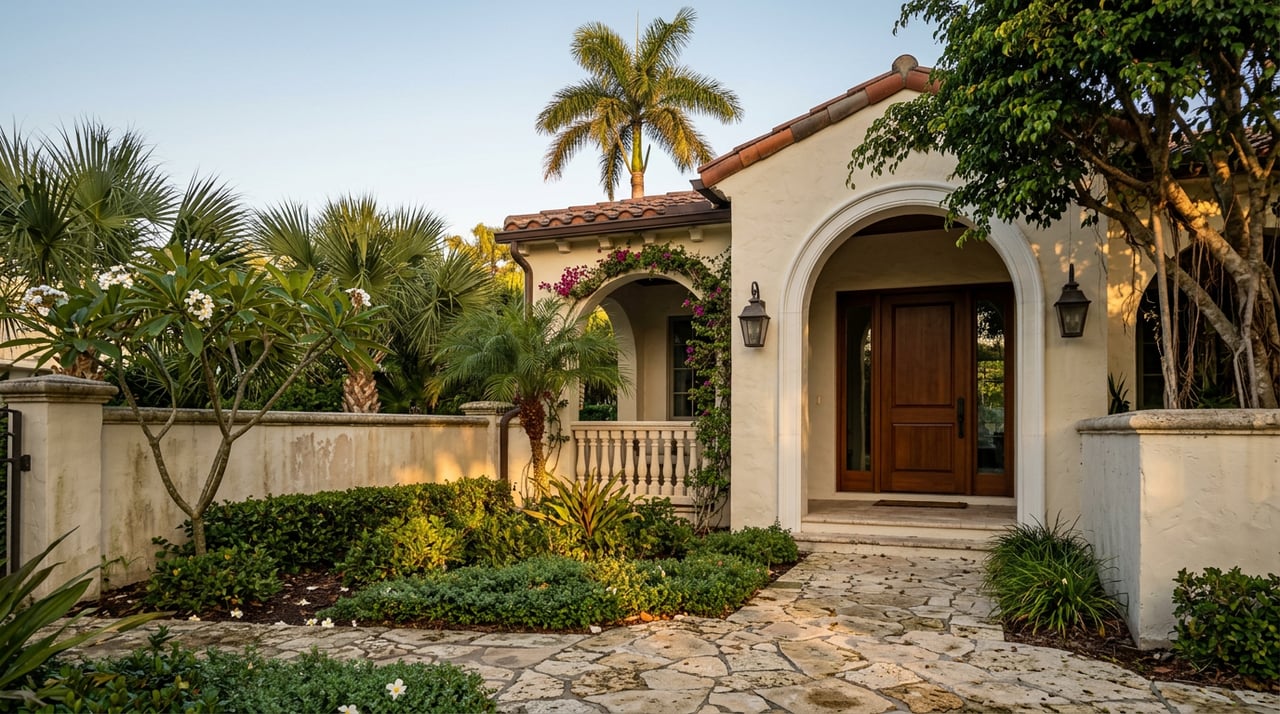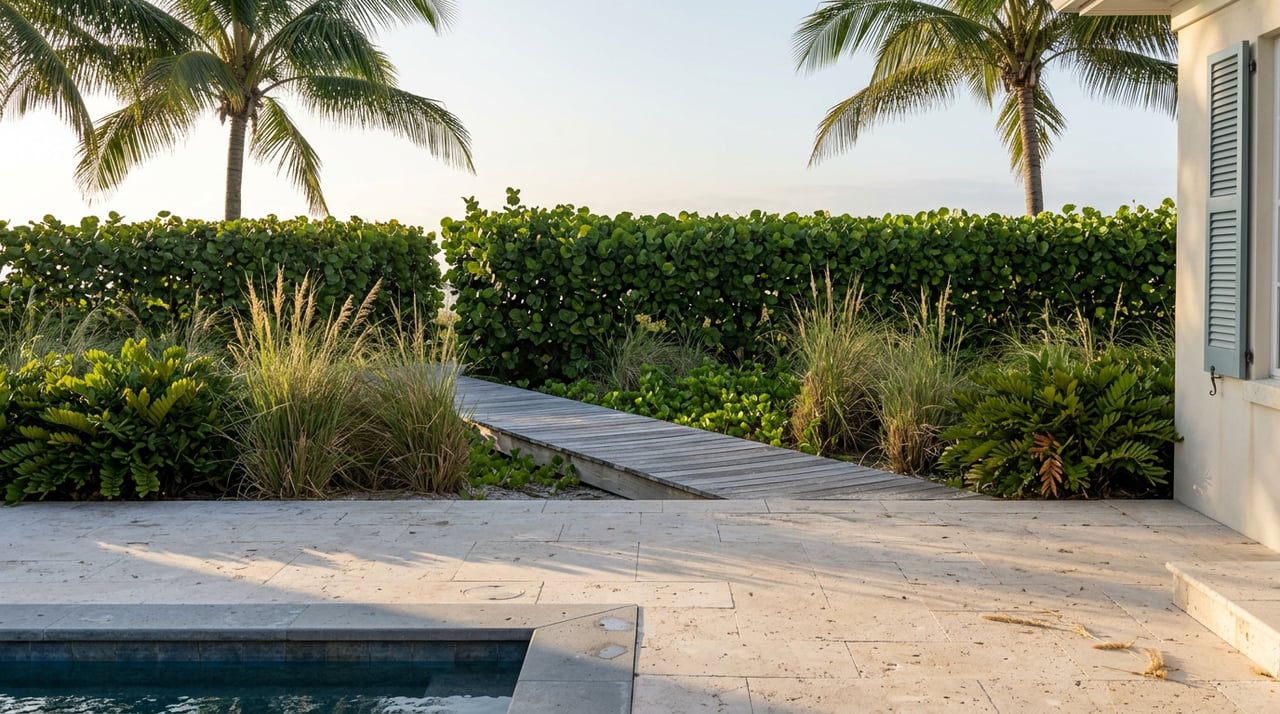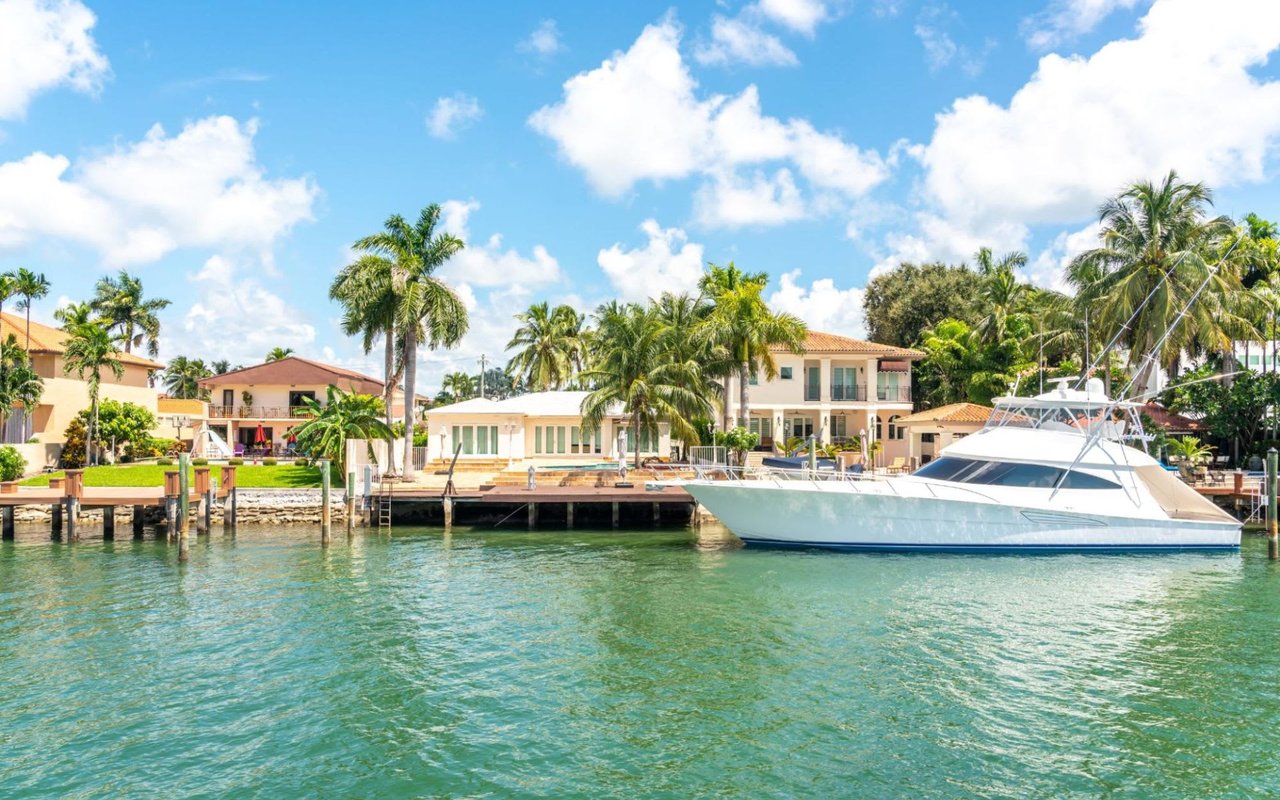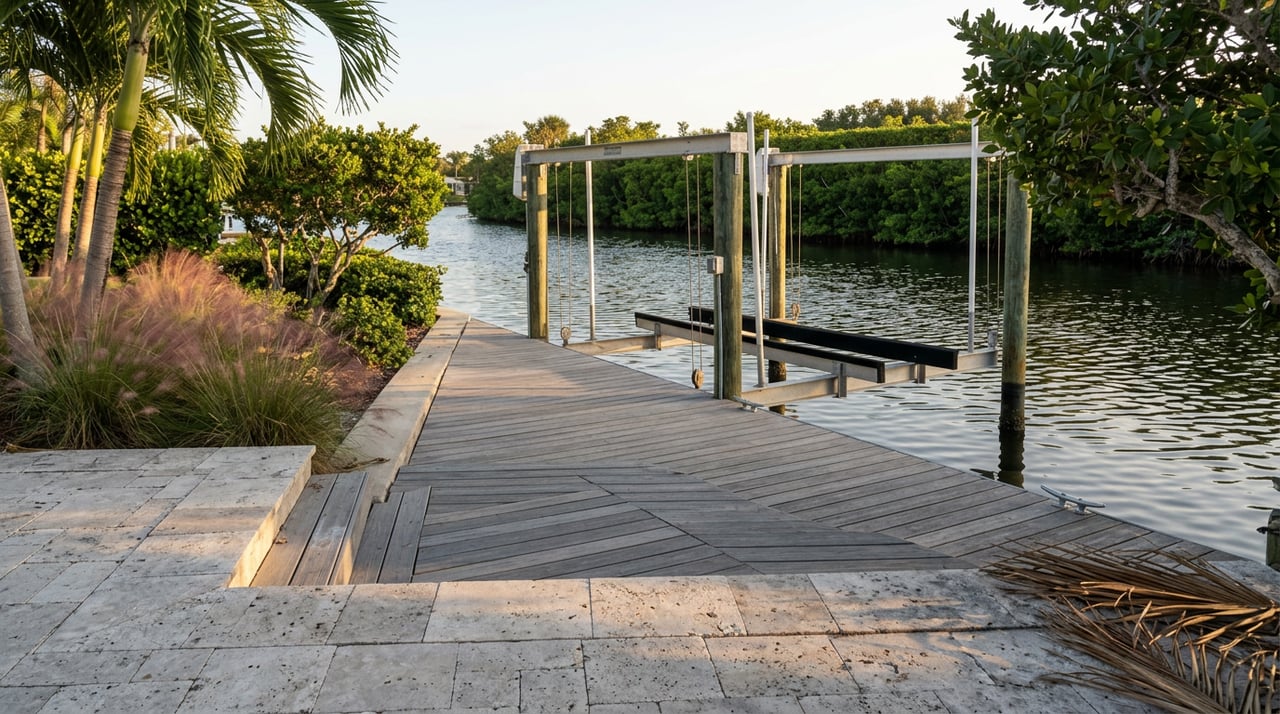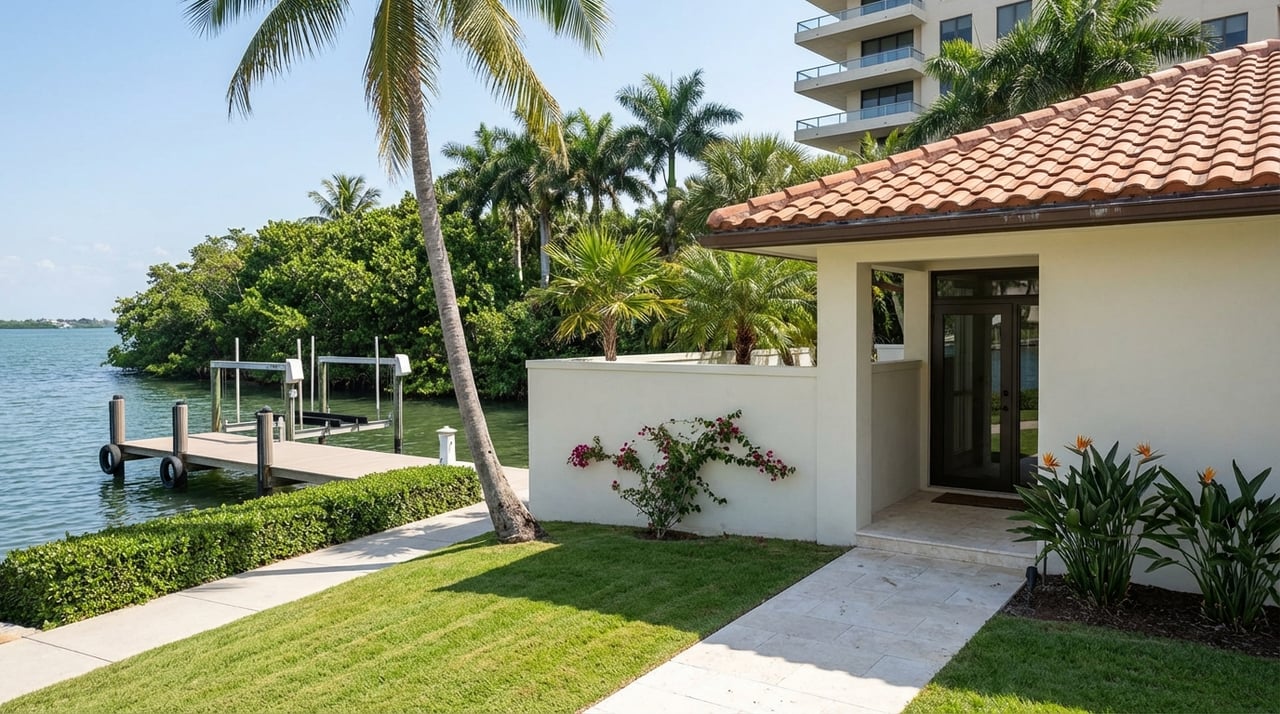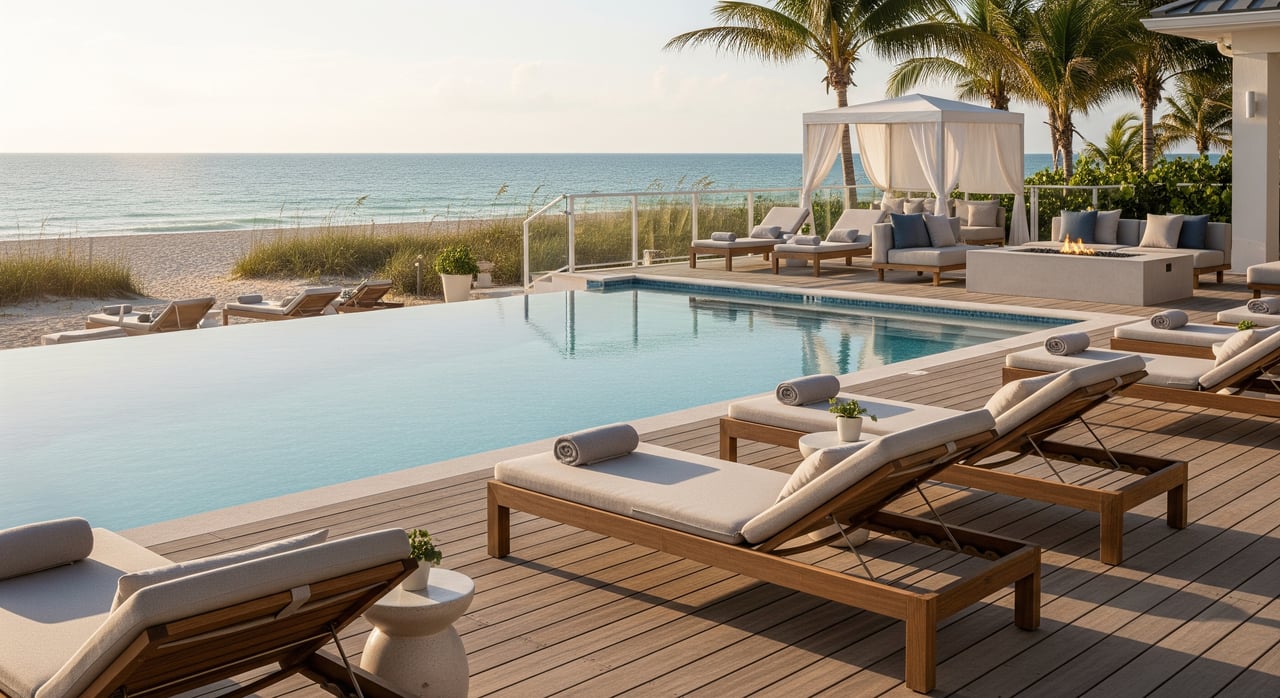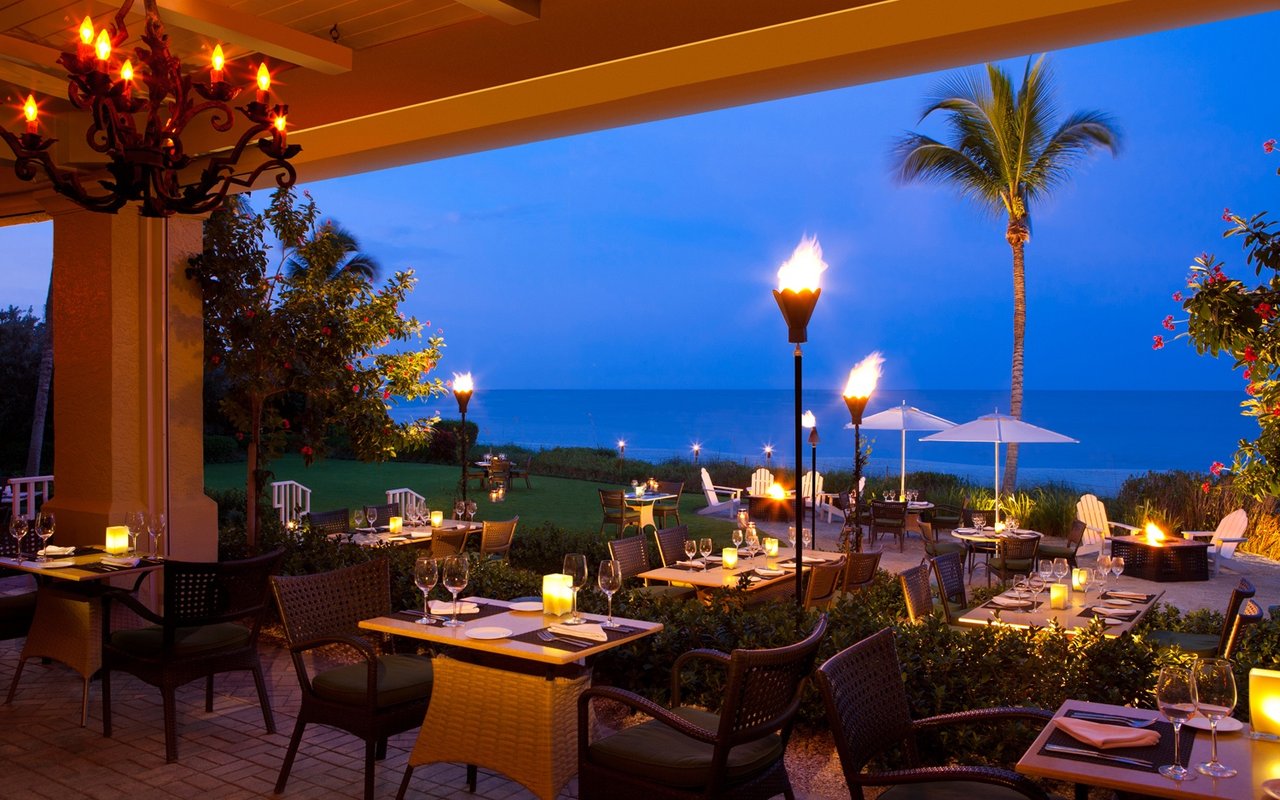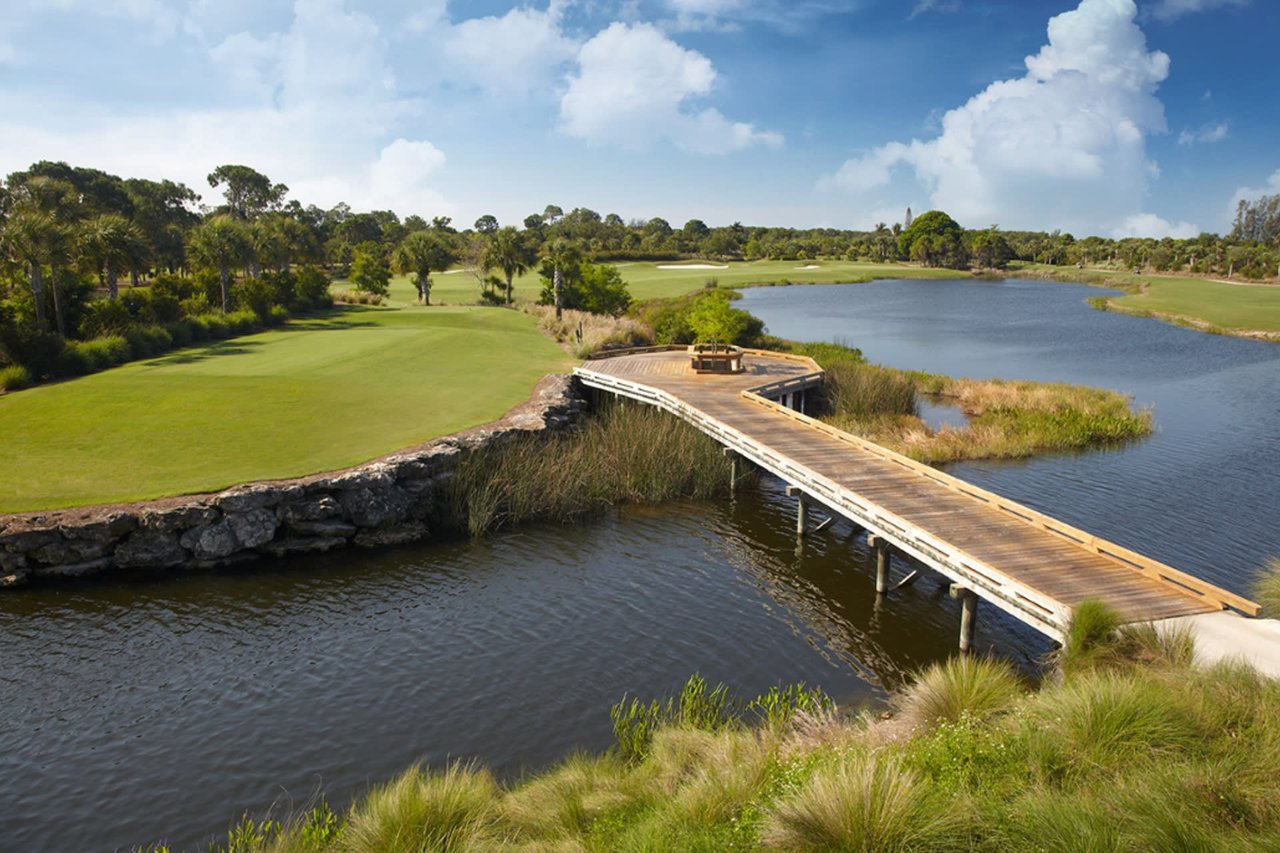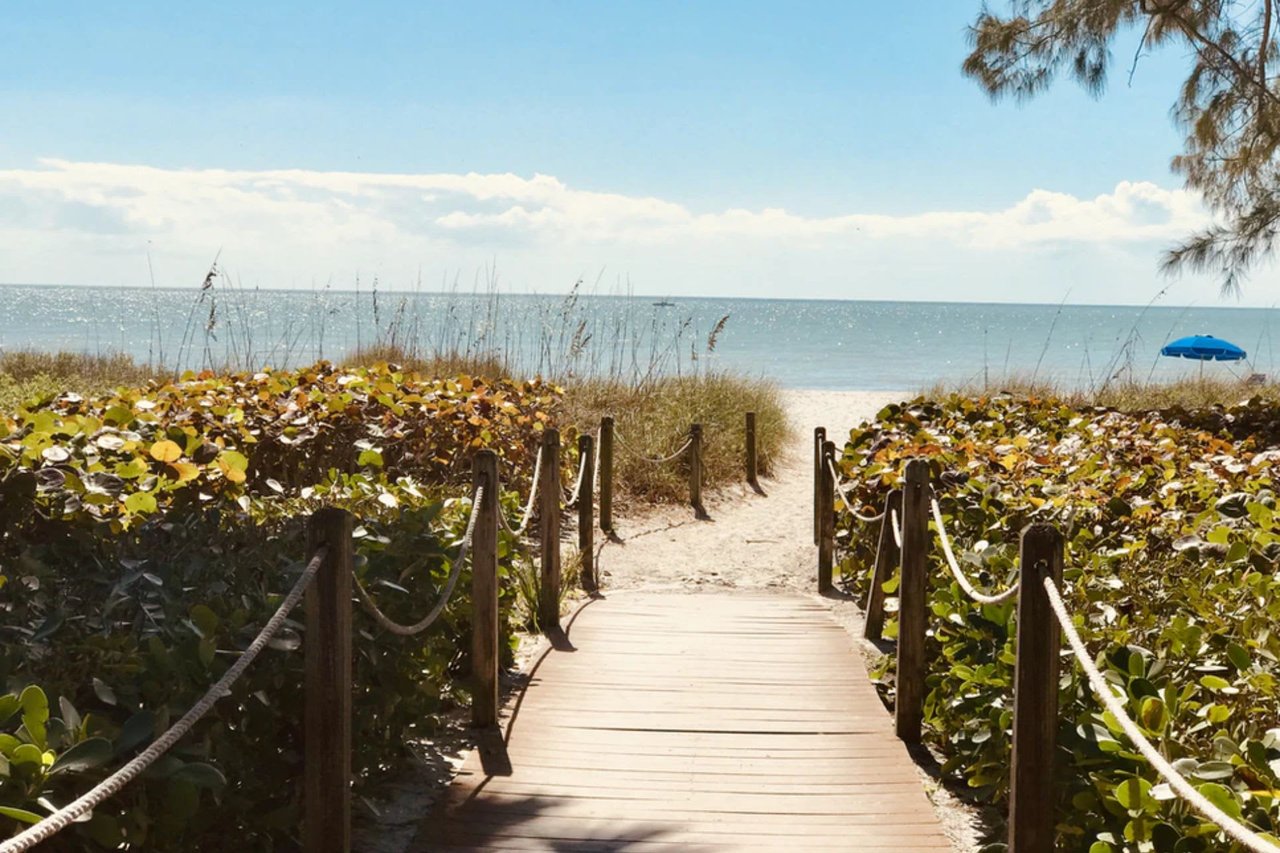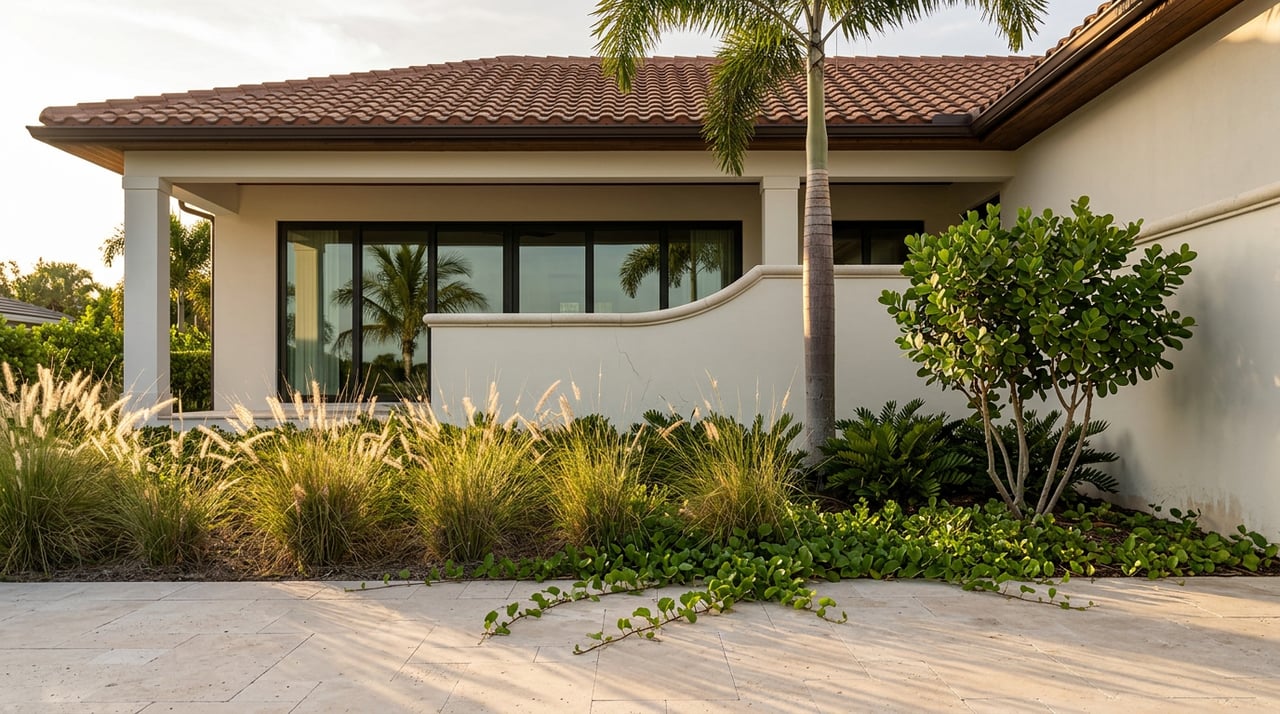
If you walked north along Gulf Shore Boulevard from the Park Shore Association's Beach Park this past spring, you crossed an invisible boundary somewhere near Horizon House. Behind you, sea oats were already thick enough to catch blowing sand before it reached the walkway. Ahead, sections of the old beach-walk were still patched, fenced, or waiting on final grading. Same storm. Same stretch of coastline. Two very different clocks.
Most residents already know the neighborhood has spent years working through what Hurricane Ian left behind in 2022. What's less obvious, unless you've been reading the association newsletters closely, is that "recovery" in Park Shore was never one project. It's at least two, run by two different boards, on two different timelines, and this past year is when the gap between them finally became visible to anyone walking the beach.
One Beach, Two Landlords
The confusion is understandable because both amenities sit on the same stretch of sand and share a name in casual conversation. But the Raymond L. Lutgert Beach Park, a 200-foot, 2.7-acre private beachfront park, belongs to the Park Shore Association and is reserved for Association members. The concrete walkway that runs 1.2 miles from Horizon House north to LeParc is a separate structure, built by the Lutgert Company in the early 1970s, and it's maintained by the individual condominium boards along Gulf Shore Boulevard North, collectively known as the Commons.
That distinction matters because the two have been healing at different speeds. The Beach Park's frontage got a targeted, relatively small dune-planting project. The Commons' walkway took a direct hit from a 14-foot storm surge that tore out concrete, stormwater piping, and landscaping over more than a mile of shoreline. One is a garden bed. The other is civil infrastructure. They were never going to come back on the same schedule.
The Grass Beat the Concrete
Collier County began adding new dune plantings in front of the Association's Beach Park in mid-May 2025, working with the Naples Botanical Garden and Florida Gulf Coast University to select sea oats and native sea grasses suited to the site. Crews staked a flagged pathway to keep foot traffic off the new plantings while the root systems established. Less than a year later, the Association's own February 2026 update reported the plantings thriving, doing exactly what sea oats are supposed to do: anchoring sand with their root mass and cutting down on the drift that used to blow across the walkway.
Compare that timeline to the Commons' beach-walk. According to the Gulf Shore Association of Condominiums, the walkway survived intact for more than 50 years before Ian's surge destroyed sections of it in 2022. Getting most of it back took almost four years, and as of the association's report this past April, the southern stretch still needed work later in the year, with a resilience study underway to figure out how to protect the walk and the properties behind it from the next storm.
Roughly ten months for the dune grass to take hold. Nearly four years for the walkway, with work still on the calendar as of this spring. Same beach, same storm, wildly different math. The lesson for anyone who lives here is that a small, targeted fix moves fast, while shared infrastructure with a stormwater system buried underneath it moves on a completely different calendar, no matter how much anyone wants it back sooner.
The Calendar Came Back Before the Concrete Did
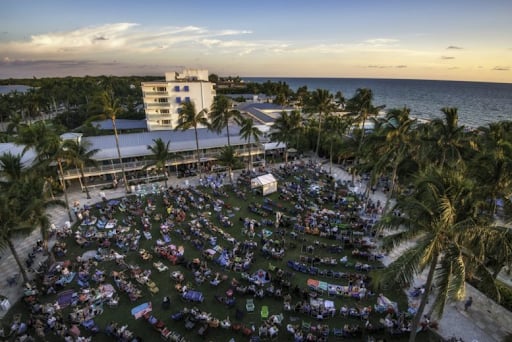
If the physical repair work was still catching up in places, the neighborhood's actual rhythm got there first. The Association brought Wine Wednesday back to the Beach Park on March 18, running 6 to 8 p.m. with sunset timed for 7:38 that evening, a detail specific enough that you know someone checked the almanac before setting the date. The Beach Park hosted its Easter Egg Hunt on April 4, starting at 9:30 a.m., the kind of gathering that only works if the park itself feels finished enough to fill with families and folding chairs.
That's worth sitting with for a second. A beach park's recovery isn't measured only in cubic yards of sand or root depth. It's measured in whether people start showing up for the things they used to do there. By that standard, the Beach Park was functionally back in service well before the season ended, hosting the small rituals that make a private beach club feel like a neighborhood rather than an amenity line item on an HOA statement.
The Meeting That Marked the Turn
The Association held its annual meeting on February 12, and used the occasion to award a Lifetime Membership to Jo Ann Smallwood, recognizing more than four decades of advocacy for Naples and Collier County's natural beauty. Four decades of watching this stretch of coastline go through hurricanes, dune restorations, and every recovery in between is a long enough run that the timing of the honor doesn't feel accidental. It landed in the same meeting where the Association was reporting real, measurable progress on the kind of coastal habitat her decades of advocacy have been aimed at protecting.
Recognition like that tends to happen at inflection points, not in the middle of a crisis and not years after everyone has stopped thinking about it. Pairing the honor with the dune update suggests the Association saw this past winter as a genuine marker, not just a routine agenda item.
What the Timeline Means as Season Approaches Again
Naples runs on a seasonal clock, and right now the neighborhood sits in the quiet stretch between last winter's season and the next one. That makes late summer a good time to take stock of what actually got fixed over the past year before the crowds and the calendar fill back in.
The Association's February newsletter flagged parking and walkway repairs at the Beach Park itself, work aimed at wrapping up ahead of peak season. Between that maintenance push, dune plantings that had already taken hold within a year of going into the ground, and a social calendar that proved it could fill the park for Wine Wednesday and an Easter Egg Hunt, the Beach Park heads toward the next season in noticeably better shape than the last four years of headlines might suggest. If you had been avoiding it on the assumption it was still mid-repair, the evidence from this past spring says otherwise.
The stretch north past LeParc is a different story. As of this spring's report, the Commons' walkway rebuild still had work scheduled for later in the year, and a resilience study was underway to plan for the next storm rather than just patch the last one. That's not a sign anything went wrong. The Commons' walkway runs 1.2 miles, more than 30 times the length of the Beach Park's 200 feet of frontage, and it sits on top of stormwater infrastructure that had to come out before anything could go back in. It was always going to take longer to finish than a planting bed.
Living in Park Shore means holding two different pictures of the same coastline at once: a private beach park that spent this past spring hosting Wine Wednesday and an egg hunt like nothing had ever touched it, and a shared walkway a few hundred yards north still working through the tail end of a rebuild that started with a storm surge four years ago. Neither timeline is wrong. They are just not the same clock, and knowing that heading into the next season means you won't mistake one for a signal about the other.
If you're weighing what any of this means for property values, timing a purchase, or understanding how these amenities factor into a Park Shore home search, Armand Alikaj has spent enough time on this stretch of Gulf Shore Boulevard to walk you through it in plain terms. Call or text to talk through what's actually happening on the ground here, not just what the listing photos show.